Ceiling Fan Handbook: My Favorites + Best Pointers
A guide to choosing the right ceiling fan for any space, and roundup of my favorite ceiling fans and fandeliers.

I'll start with a confession: I am not genuinely a ceiling fan person. You will not find a single one in our house.
I know that is probably controversial coming from someone who lives in Florida, but I have never enjoyed sleeping with air blowing on me, and I am more than happy to pay for the comfort of air conditioning year-round. That said, I have researched and purchased more than a dozen for our rentals over the years, because it turns out they are a non-negotiable for our guests.
If you are shopping for a ceiling fan and do not want to compromise the look of your room, here are my most recommended picks and the key things to consider before buying.
1. Choose three blades when possible
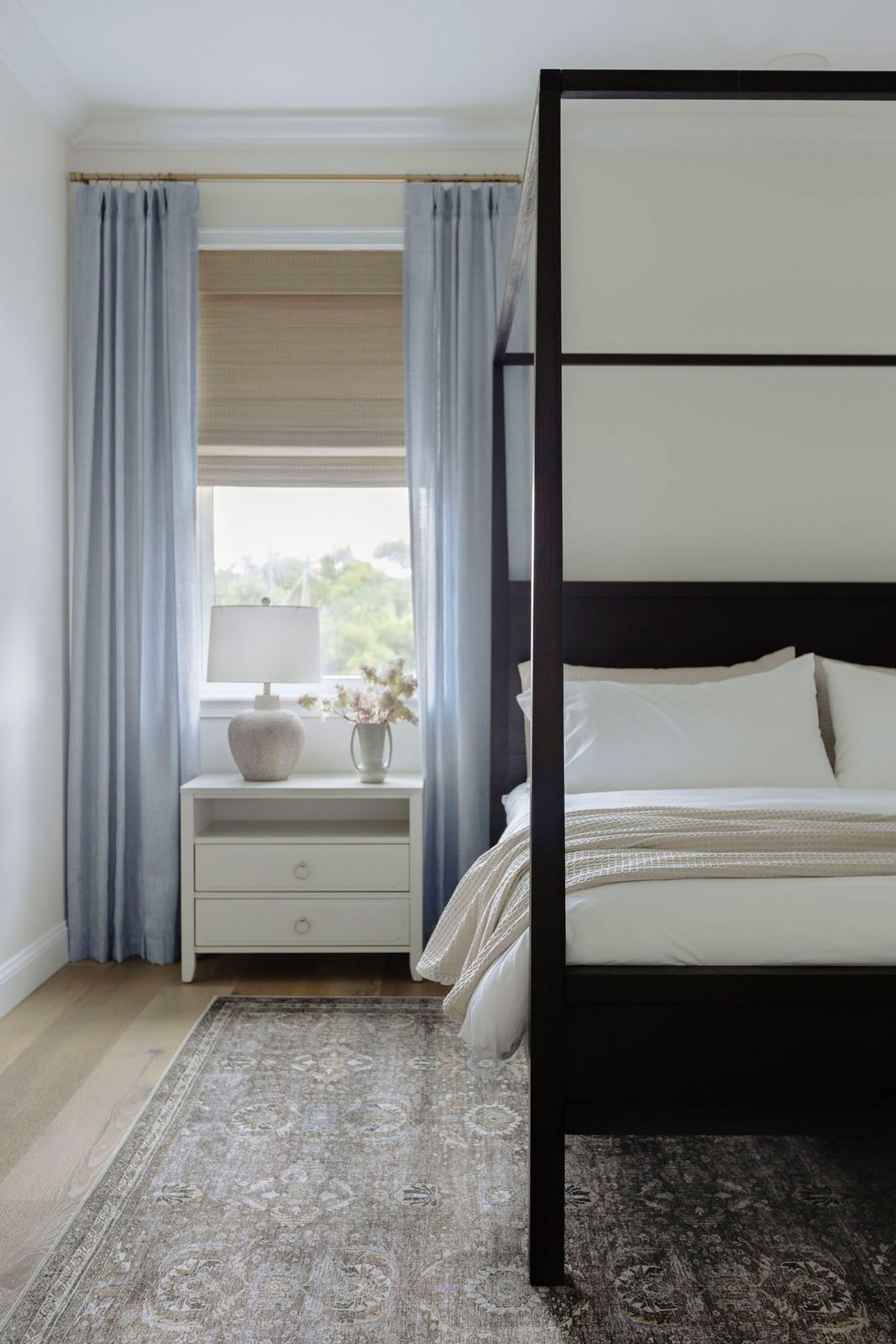
The fewer blades, the cleaner the look. Three-blade fans tend to feel more modern and streamlined, while larger five-blade designs can draw more attention to themselves. If your goal is for the fan to disappear into the room, a unfussy three-blade design is usually your best bet.
2. Skip the built-in light
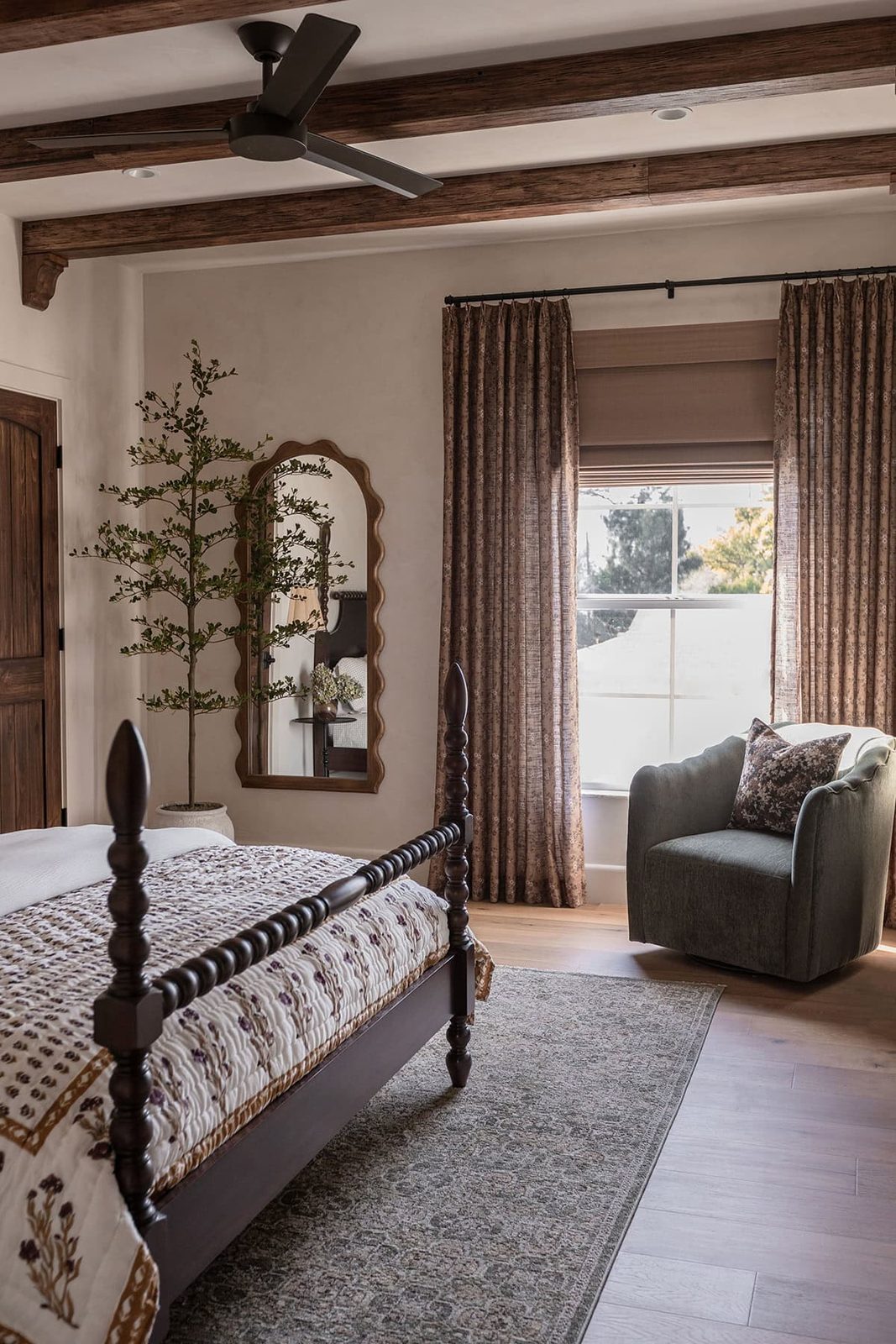
If possible, choose a fan without an integrated light kit. Many ceiling fan lights use built-in LEDs that can feel harsh and unflattering, especially in bedrooms. I much prefer layered lighting from lamps, sconces, and chandeliers. The room feels warmer, more inviting, and far more intentional.
Of course, every room needs adequate lighting, so make sure you have other light sources before eliminating the fan light entirely.
3. Match the fan to the ceiling
One of the easiest ways to make a ceiling fan less noticeable is to choose a finish that is similar to your ceiling color. The more contrast you create between the fan and the ceiling, the more your eye is drawn upward.
4. Pay attention to controls
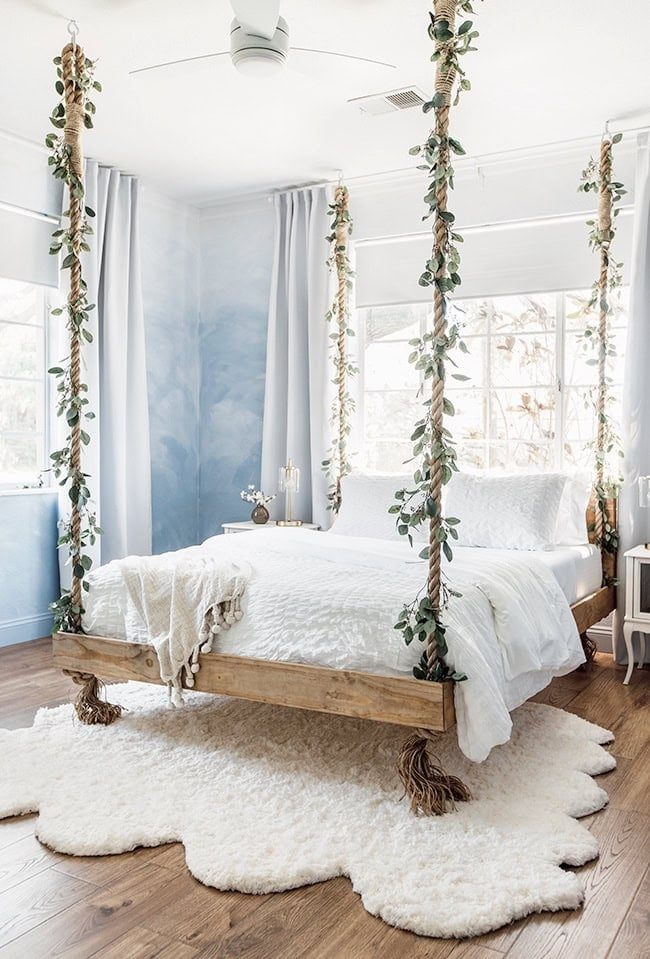
This is an important one: Not all ceiling fans operate the same way. Some are controlled exclusively by a handheld remote, while others can be operated from a wall switch. Before purchasing, think about how you will actually use the fan and whether the control system fits your lifestyle.
We have learned to stick with wall controls in our vacation rentals because remotes have a tendency to disappear.
5. Consider a fandelier
While fandeliers often get a bad rap, they have come a long way in recent years. If you struggle with the look of traditional ceiling fans, they can be a worthwhile compromise. By combining a decorative light fixture with a concealed fan, they provide airflow without drawing as much attention to themselves. In many cases, they read more like a stylish chandelier than a ceiling fan.
6. Try a personal fan instead
This one could be a marriage-saving breakthrough. If only one person in your household likes airflow while sleeping, consider a small tabletop fan instead. There are so many attractive retro-inspired options now that look more like decor than appliances.
A personal fan gives you flexibility, takes minutes to move from room to room, and does not require wiring or permanent installation.

7. Size matters
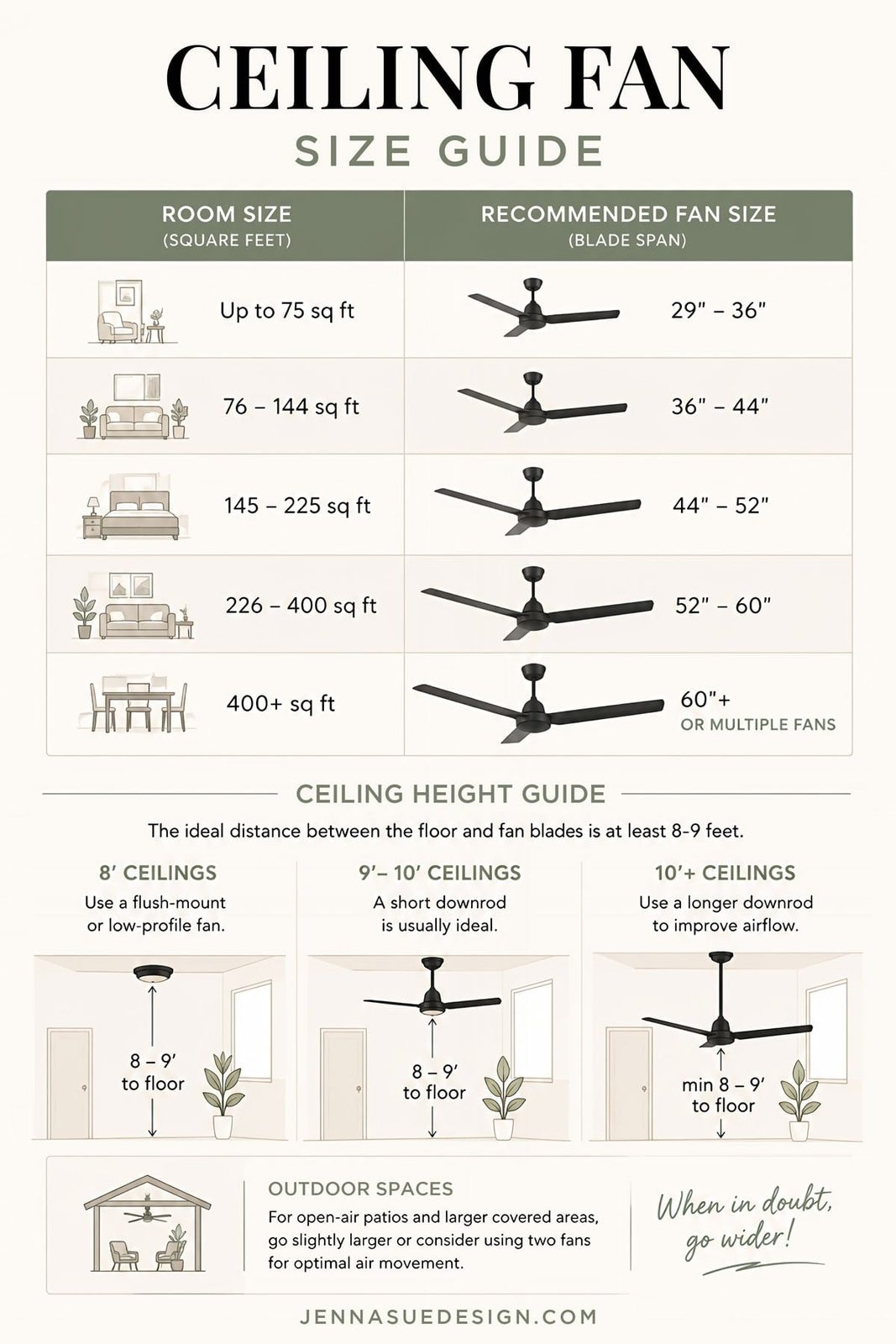
The prettiest fan will not work well if it is the wrong size. For most bedrooms, a 52″ fan is a safe bet, while larger living spaces and covered patios often call for a 60″+ fan.
Also consider your ceiling height. Standard 8' ceilings typically require a flush-mount design, while taller ceilings benefit from a downrod to bring the fan to the proper height for both performance and aesthetics.
Ceiling Fan Size Guide
Choosing the right size fan is just as important as choosing the right style. A fan that is too small will not move enough air, while one that is too large can overwhelm the room visually.
My Rule of Thumb
For most bedrooms, I find a 52″ fan is the sweet spot. It is large enough to circulate air effectively without looking oversized. In larger primary bedrooms, living rooms, covered patios, and great rooms, I typically look for fans in the 60″ range.
Outdoor Fan Sizing
I generally prefer going slightly larger outdoors than I would indoors. Open-air patios and covered porches do not trap airflow the same way a room does, so a larger fan can help move air more effectively. For larger outdoor entertaining spaces, two appropriately sized fans often look and perform better than one oversized fan.
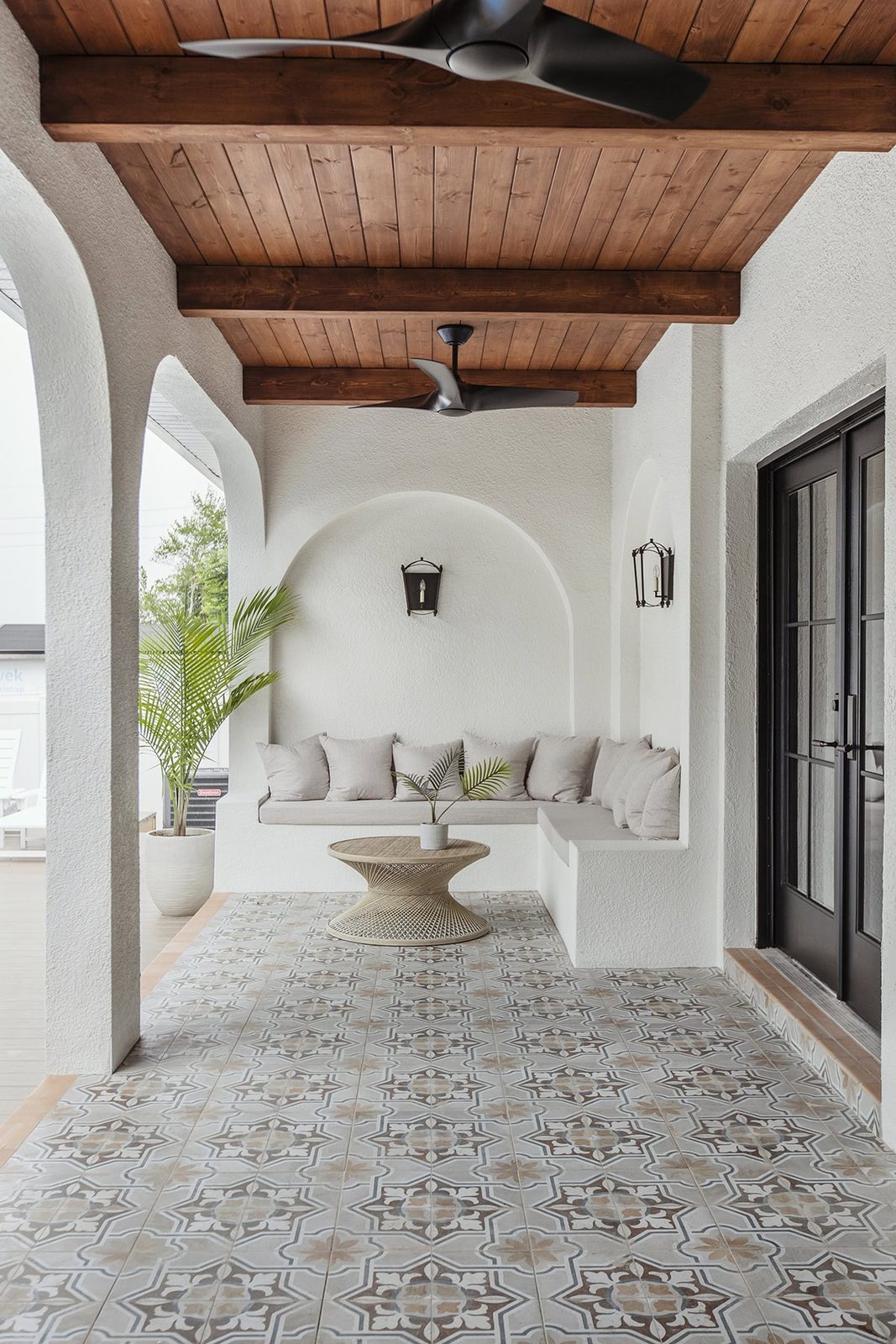
When in doubt, go wider, not bulkier
Modern fans with three slim blades can span 60″+ and still feel visually light, whereas smaller fans with chunky blade arms and large light kits often look more obtrusive.
My Top Ceiling Fan Picks

Best Overall Fan
This is the tried and true fan I have used in every bedroom for years. It is unfussy, reliable, affordable, comes in multiple finishes and sizes, and includes the wall control.
Best Design-Forward Fan
If ceiling fans are not exactly your thing, this is the one that might change your mind. The satin brass finish and sculptural silhouette feel more like a designer light fixture than a utilitarian appliance.

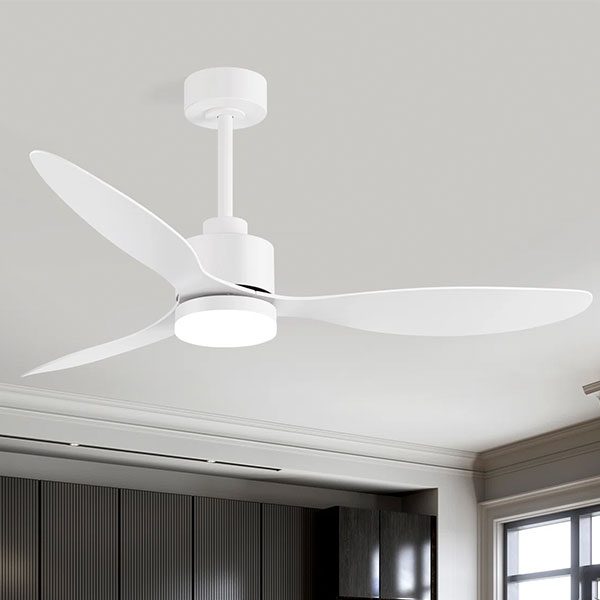
Best Budget Fan
Affordable, unfussy, and easy on the eyes. If you want a fan that gets the job done without drawing attention to itself, this is a great option (in several colors!)
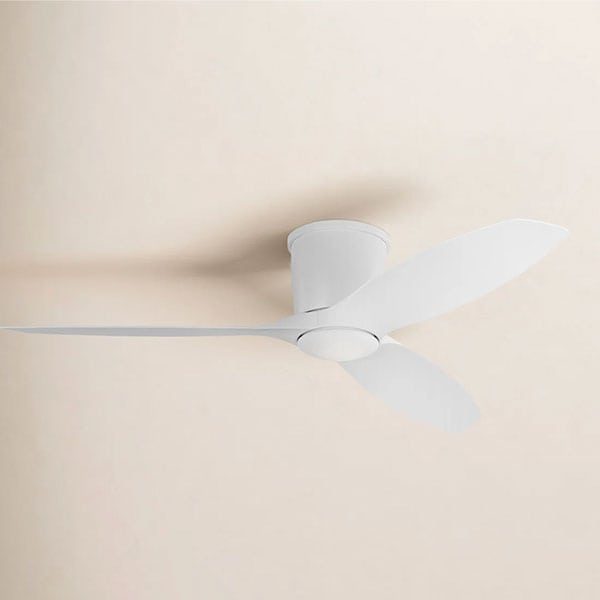
Best Fan to Blend In
This fan perfectly illustrates my “match the ceiling” philosophy. With white blades, a white housing, and a minimalist profile, it quietly does its job without drawing attention to itself.
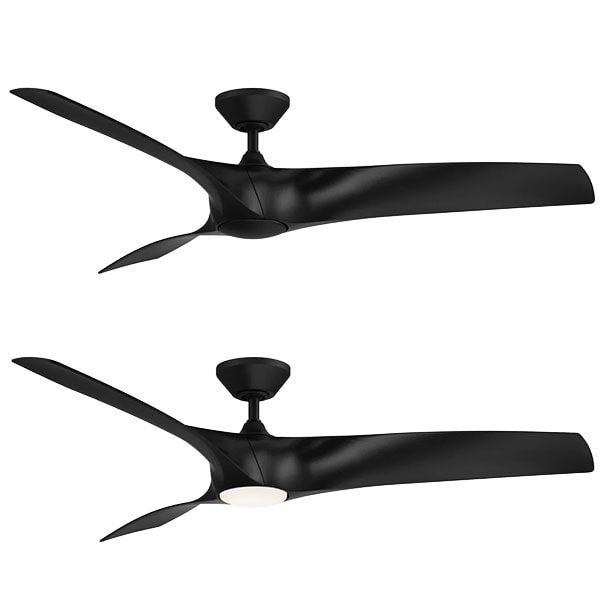
Best Outdoor Fan
We just installed one of these (for the third time!) on the patio in our current renovation. It is sleek, quiet, comes in five finishes and includes an optional light kit.
Best Wood Tone Fan
Wood grain feels like an intentional and thoughtful design choice when paired with similar wood finishes in the room. These sculptural blades add warmth and organic texture.

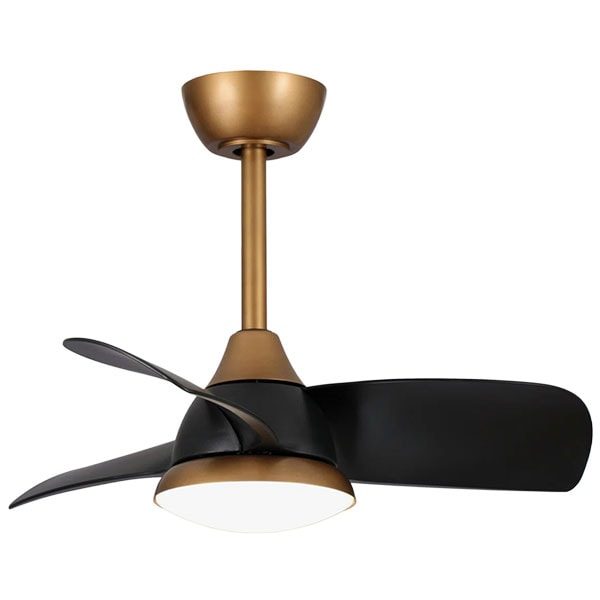
Best Fan for Small Spaces
At just 28″, this fan is perfectly scaled for compact bedrooms, offices, nurseries, bathrooms, and other tight quarters. The brass detailing and small profile almost feel more like a designer light fixture than an appliance.
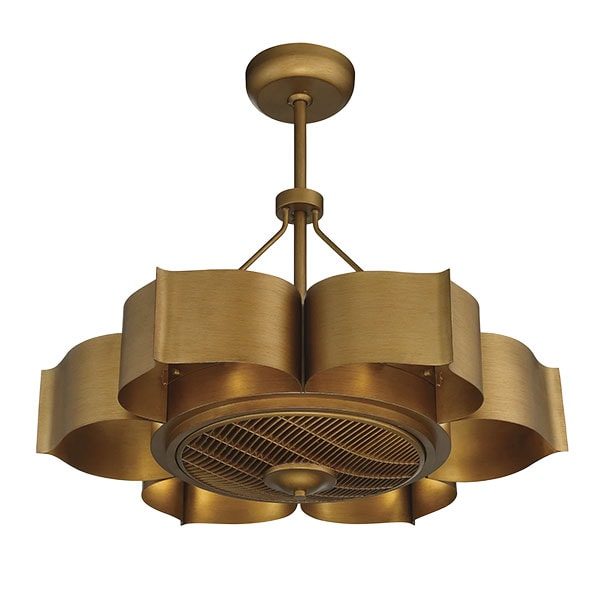
Best Fandelier
This statement piece just happens to be a ceiling fan. The concealed blades are nearly invisible, so all you notice is the well composed fixture.

Best Personal Fan
If only one person in the room wants a fan, here is the solution. The retro styling is charming enough to leave on display, and you can move it wherever you need it (it is available in smaller sizes, too!)
Shop Designer-Approved Ceiling Fans
Below are more of my recommended fans in a variety of sizes, styles, and finishes. As always, be sure to check the dimensions, installation details and reviews to find the best fit for your space.
Tap below to shop my favorite fans at Lowe's:

Even if you are not a ceiling fan person, I hope this guide showed that function and design can coexist. Whether you are looking for something that disappears or doubles as a design feature, fans have come a long way and there is a solution for every space and style.