A Handbook to Updating your Doors and Hardware
Looking to update your doors or hardware? Read this guide first!
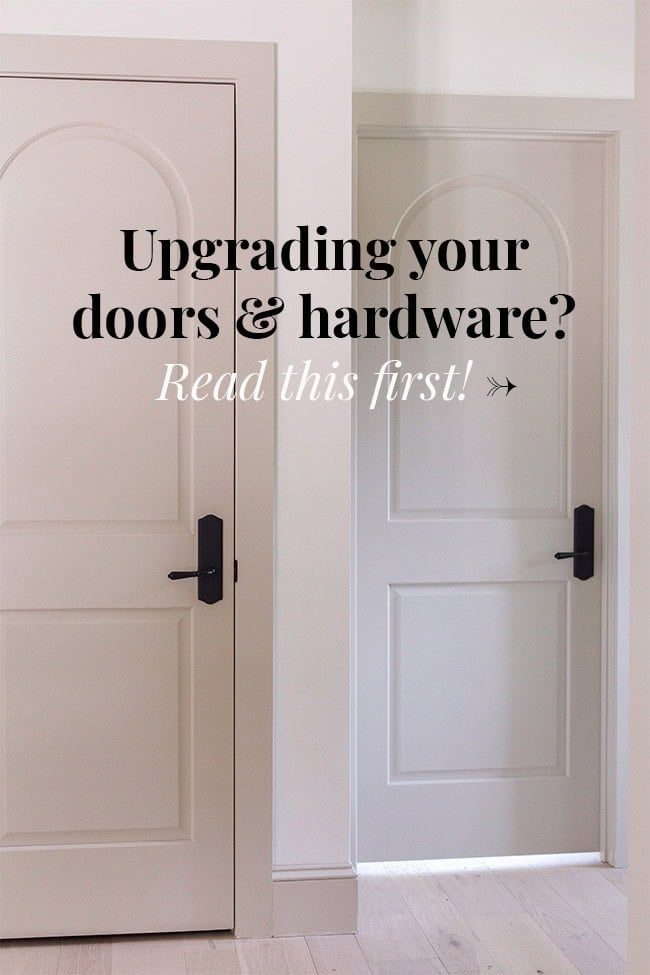
It is easy to overlook doors as a design feature in your home, but as a daily touchpoint, they are more important than you may realize. Today I am divulging all of my best tips and resources to guide you through choosing the right style, color, hardware and more.
Over the past decade, I have tackled just about every type of door upgrade—from my very first DIY paneled door to hiring a custom fabricator for our home. I shared a guide on this topic years ago, but since it is still one of my most frequently asked questions, I thought it was time for an update.
If you are considering upgrading your doors, I have broken down everything you need to know to get started, including round-ups of some of my favorite doors and hardware. Let us dive in!
Door Types
- Swing/hinged: Standard everywhere in homes.
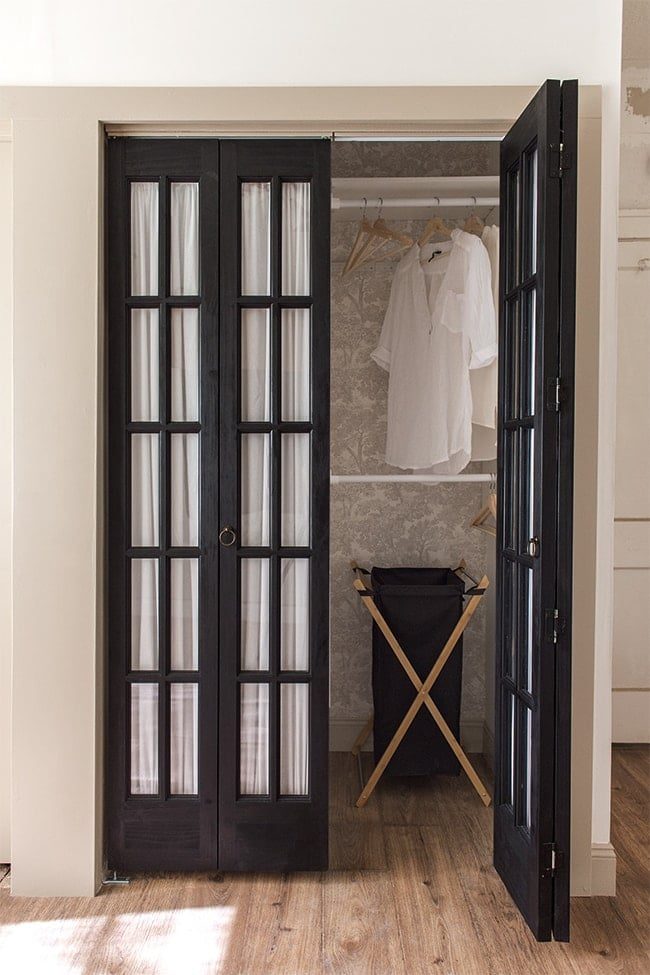
- Bi-fold: Commonly used for closets that do not need a lock, saves space.
- Pocket: Ideal in scenarios where there is not enough room for a swinging door, requires a more involved installation.
- Barn/sliding: Open by sliding horizontally along a track, a space-saving option for patios or closets.
- French: Doors with glass panels (usually double) and a popular choice for patios/exteriors.
- Dutch: A door divided horizontally in the middle, allowing the top half to open independently from the bottom half.
- Saloon/cafe: These partial height bi-directional swinging doors allow for an easy hands-free passage between rooms.
- Pivot: Swings open from pins at the top and bottom of a door, eliminating any visible hinges. More commonly used in luxury/modern or commercial spaces and requires a specialty install.
Slab vs Pre-hung
Slab doors are a more cost effective option if you are replacing an existing door and do not need a new frame or door trim. It requires drilling new holes and mortises for hardware, and precise installation to fit perfectly in the existing frame.
On older houses especially, it can be tricky to get the new door to fit perfectly and operate smoothly. For this reason, I usually prefer spending a little extra on a pre-hung door—you can still try installing it without the frame, but it is there as a backup just in case.

Door Style
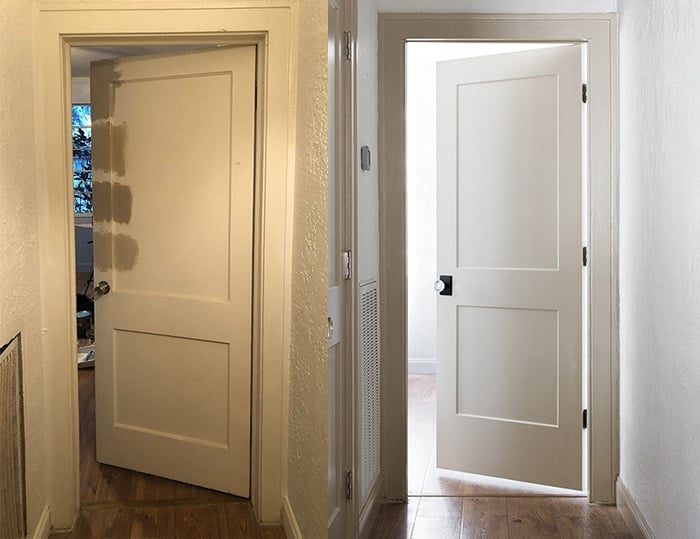
There are many affordable style options to suit your home, from traditional to modern, craftsman to mid-century. I recommend choosing a design that matches the time period and style of the house. The doors in our Riverside Retreat property were worn out and mismatched, so we opted to replace them all with these solid-core Jeld-Wen replica of the original 1940's doors:
For cohesiveness, make sure to use the same doors throughout the house, with the exception of any “feature” doors such as exterior, closet, and glass or partial glass doors (ie pantry or laundry). I found a vintage door at a local salvage yard and converted it to a pocket door for our laundry room:

Lowe's carries a wide range of door options to suit a variety of different home styles. Here are 50+ of my favorite doors in every style (tap on the image below to shop them all!)

Door Material
For interior doors the most common options are wood, MDF, and particle board composite (either solid or hollow core). I always recommend solid core as it helps reduce sound and feels more substantial.
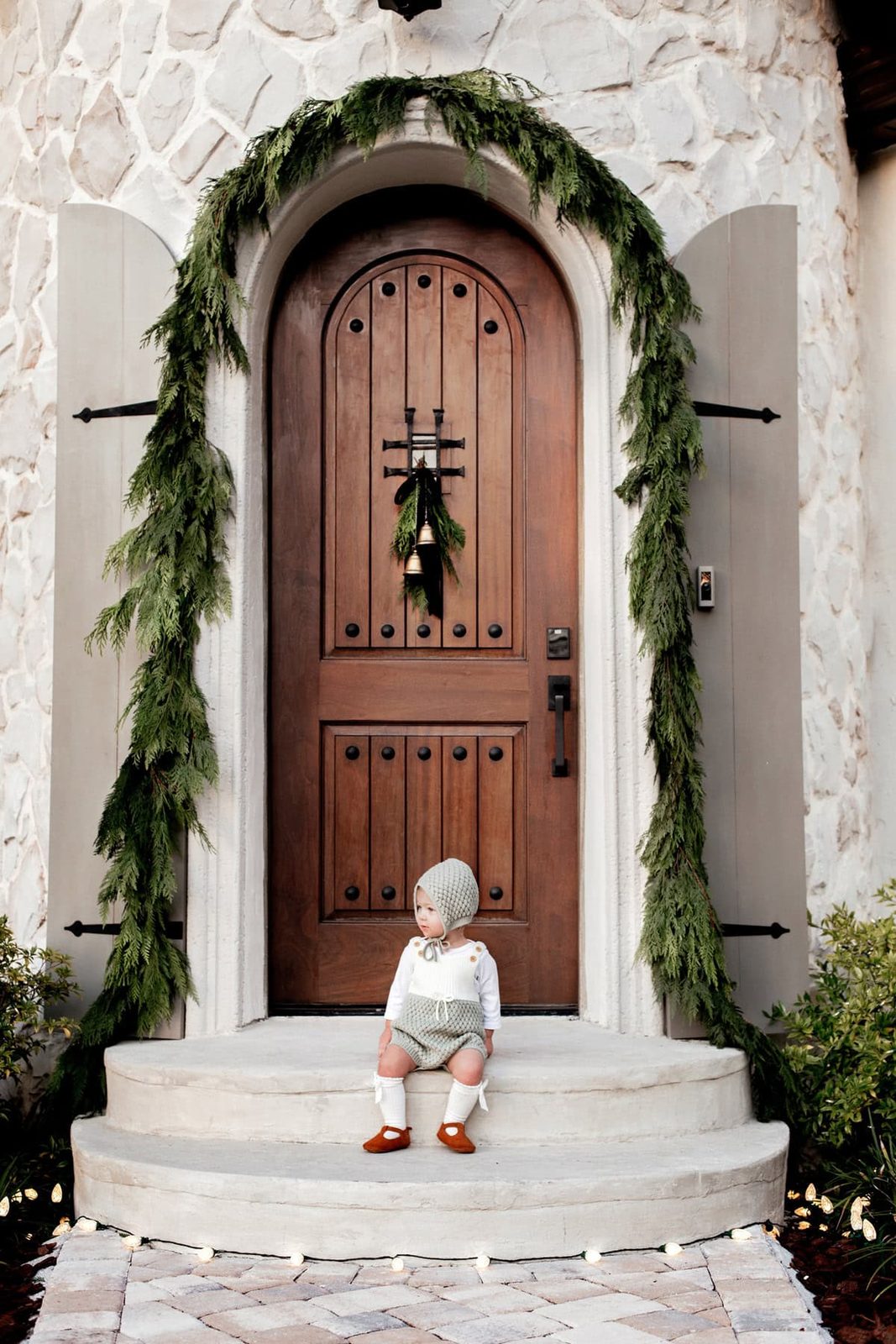
Exterior doors are available in a wider range of materials such as fiberglass, aluminum, wood, glass, steel and iron. They range greatly by price, size and style, and each material has its own pros and cons. It helps to keep the look of wood, but they require plenty of maintenance here in Florida. Fiberglass and steel are my top choices if you are looking for something low maintenance and budget friendly.
Paint color
While white doors and trim are still the default throughout homes in America, I encourage you to think outside of the box! Paint is an easy way to make doors more than just a functional building element, but rather a way to enhance the design and style of your home. I often paint my doors and trim to match, but painting just the doors works too.
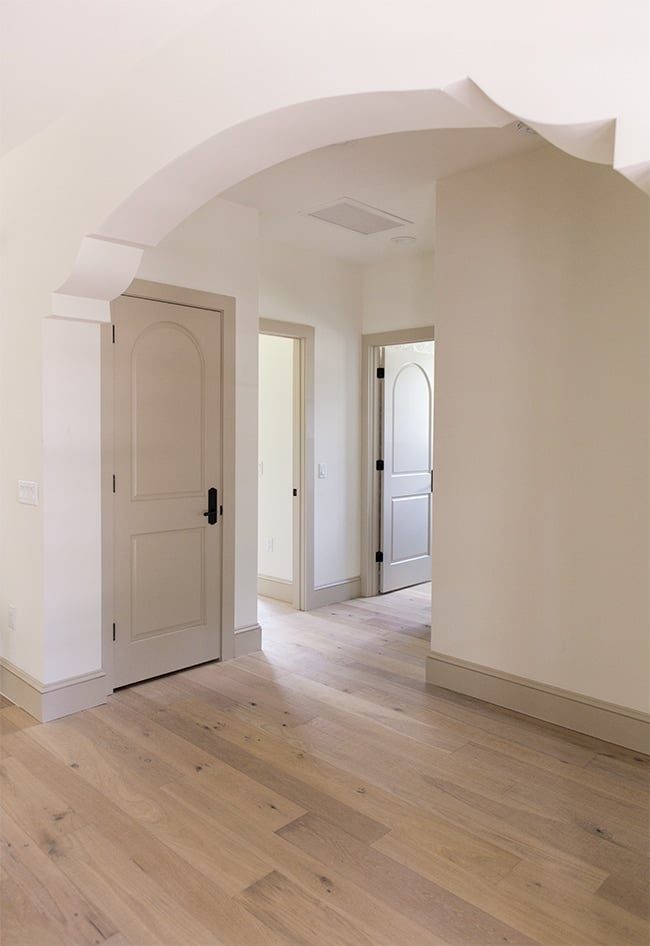
My general rule of thumb for door/trim color is to make sure they all match within the common areas, but anything goes for the interior of rooms. I treat each room separately with its own design concept and color palette, so it can be different than the trim and door color throughout the rest of the house.
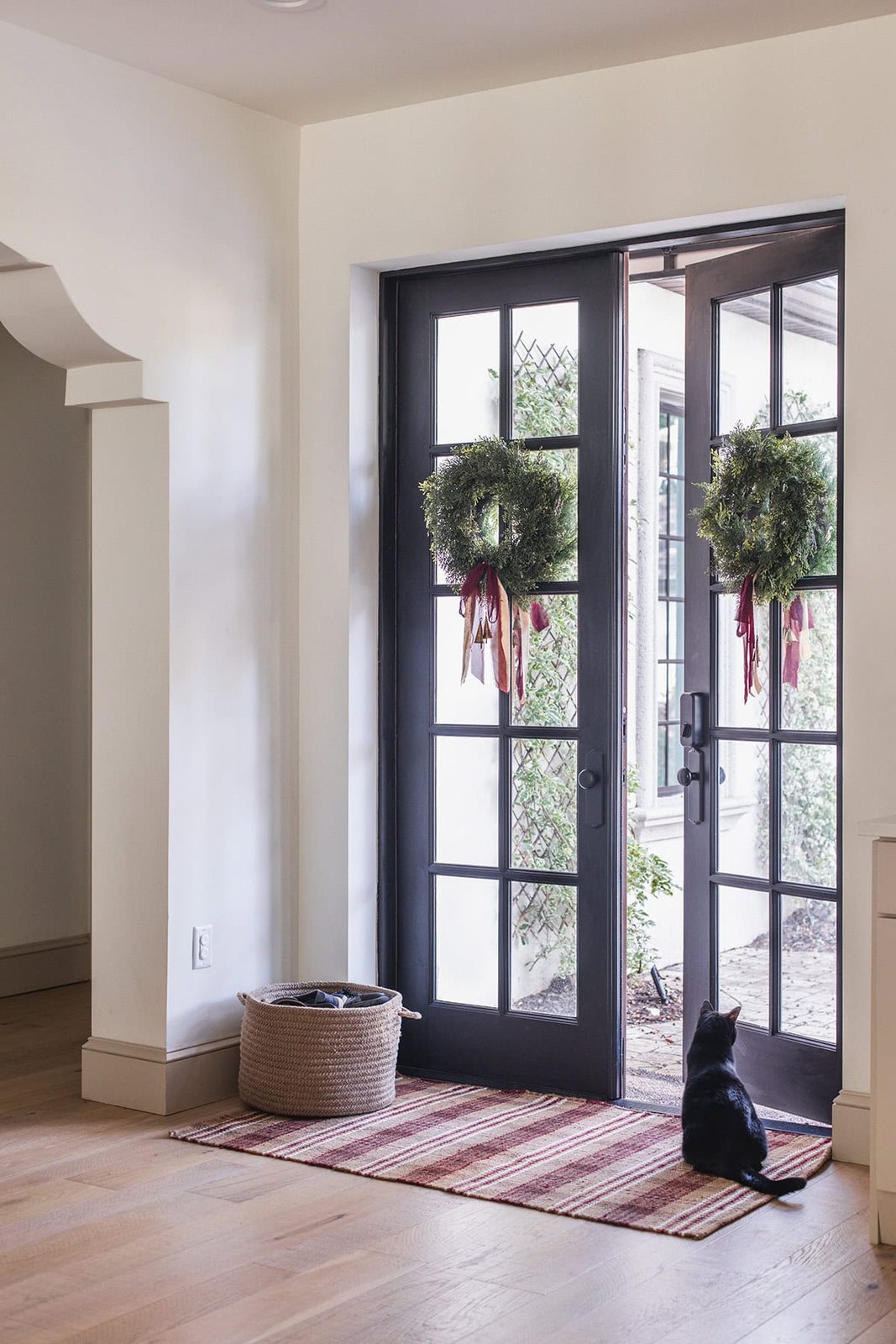
Doors that are a different style, like exterior doors and glass doors can also be a different color. In our home, I used both a rich black and natural wood for these “feature doors”.
Paint sheen
A semi-gloss finish is a common choice for interior doors due to its durability and ease of cleaning. I use satin more often as I normally prefer the richer look of matte surfaces (and less fingerprint smudges), but our home has semi-gloss on the main doors and trim, and we are happy with that choice.
A high quality paint is also key for durability and longevity. We typically opt for Sherwin Williams Emerald Urethane or Benjamin Moore Advance. For exterior doors, you will want to use exterior paint which is specially formulated to withstand the elements. You can learn all about our technique for painting cabinets and doors here.
Hardware
Now for the fun part—choosing the 'jewelry' for your door! There are so many different options these days, and while hardware selection is a personal choice, there are a few guidelines I abide by.
Finish: consider the color of your doors. Your hardware should stand out, so if your doors are painted dark, choose a lighter colored metal when possible. The hardware style should be complementary to the style of the door and the home itself. Classic black is my go-to, but unlacquered brass and pewter look striking on dark doors.
Knob or lever? Think about function and if you'd have a reason to choose one over the other. Example: our cat figured out that she could open a door by jumping and pulling on the lever, so knobs would have been a better choice if we did not want her trespassing in certain rooms!
Function: Most hardware styles are available in privacy, passage and dummy for different rooms. For privacy handles, I prefer the designs with a subtle push pin rather than a bulky turn lock.

In our own home as well as the Hacienda Hideaway, we used Emtek handlesets which are well composed, but also a splurge. Schlage is a brand I always return to as they have a huge product selection at an affordable price point. I chose their Latitude/Addison line to use throughout our current renovation.
Below you will find 50+ of my favorite door hardware sets from Lowe's. Tap on the photo to shop!
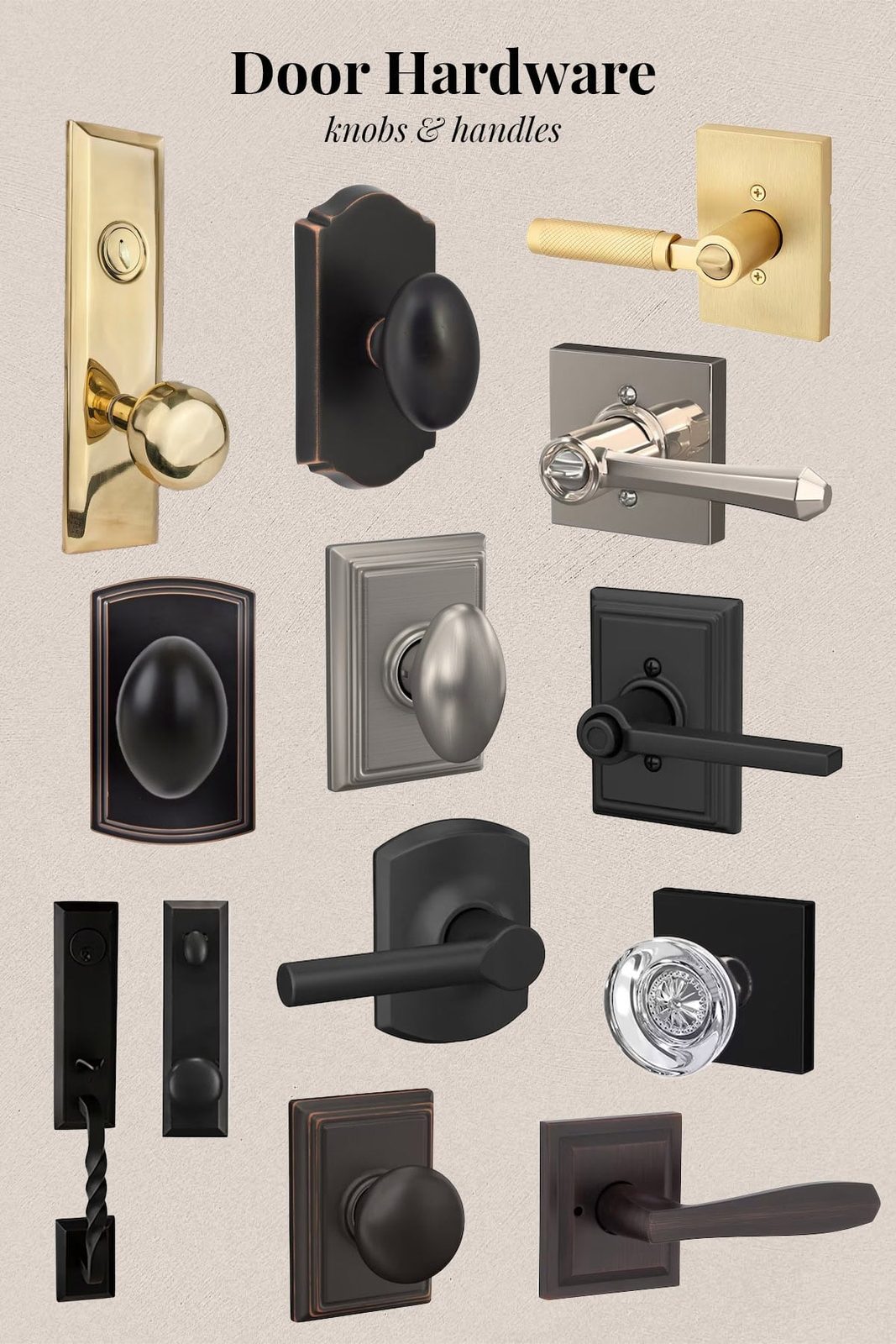
Tip: if you see a style you like but it is the wrong finish or locking type, chances are it is available in what you need. Just search for the brand and model name on Lowe's, and all of the available options will come up.
Keyless Entry
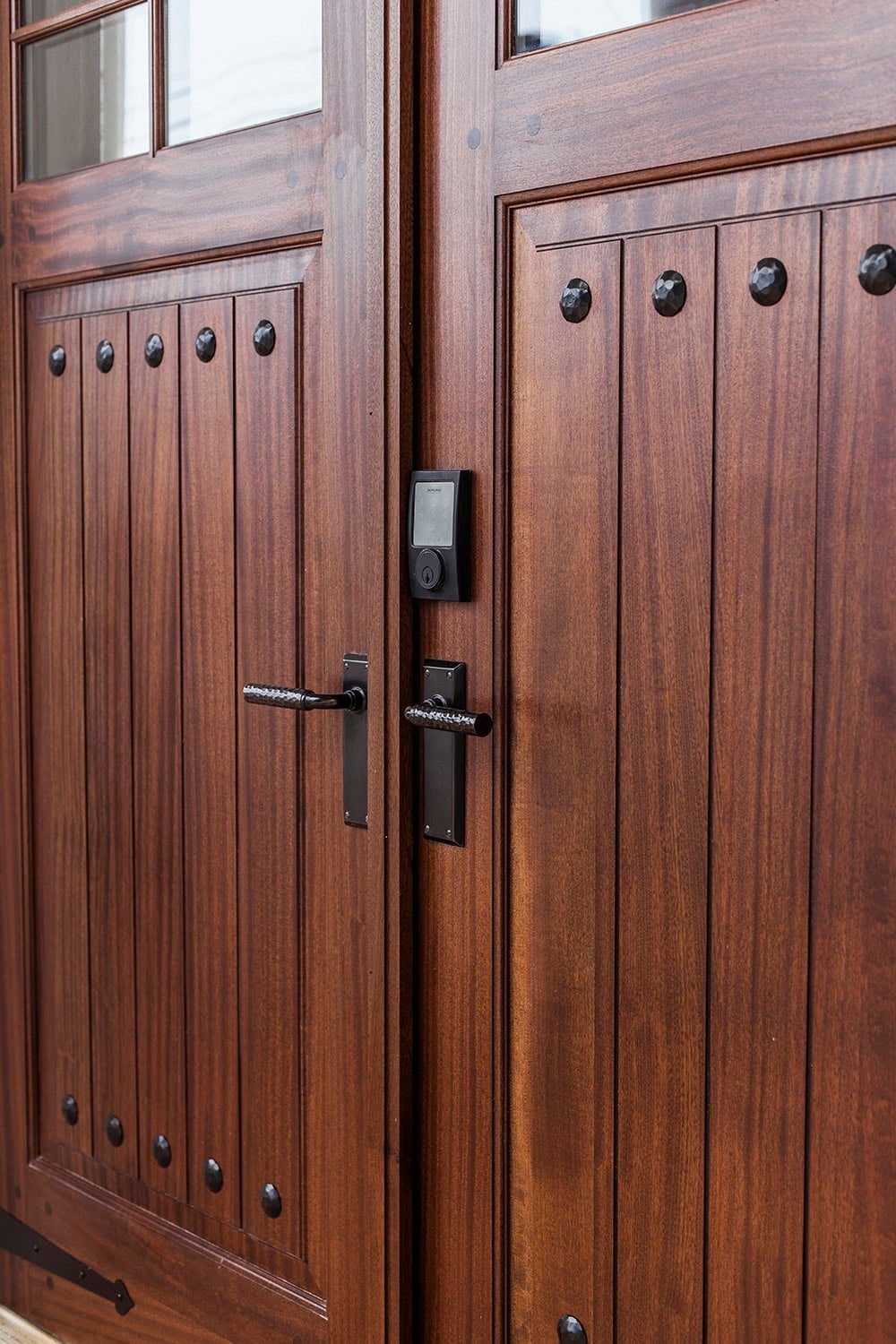
Keyless entry is a non-negotiable—not only for our rentals, but our own home as well. There are many great options but we use and love the Schlage Encode Smart lock. It allows our property manager to easily access, create codes and control it remotely to keep our rentals running smoothly. The keypad replaces your deadbolt, so you will never have to fumble for your keys. I'll never have a house without smart locks!
Shop Doors & Hardware
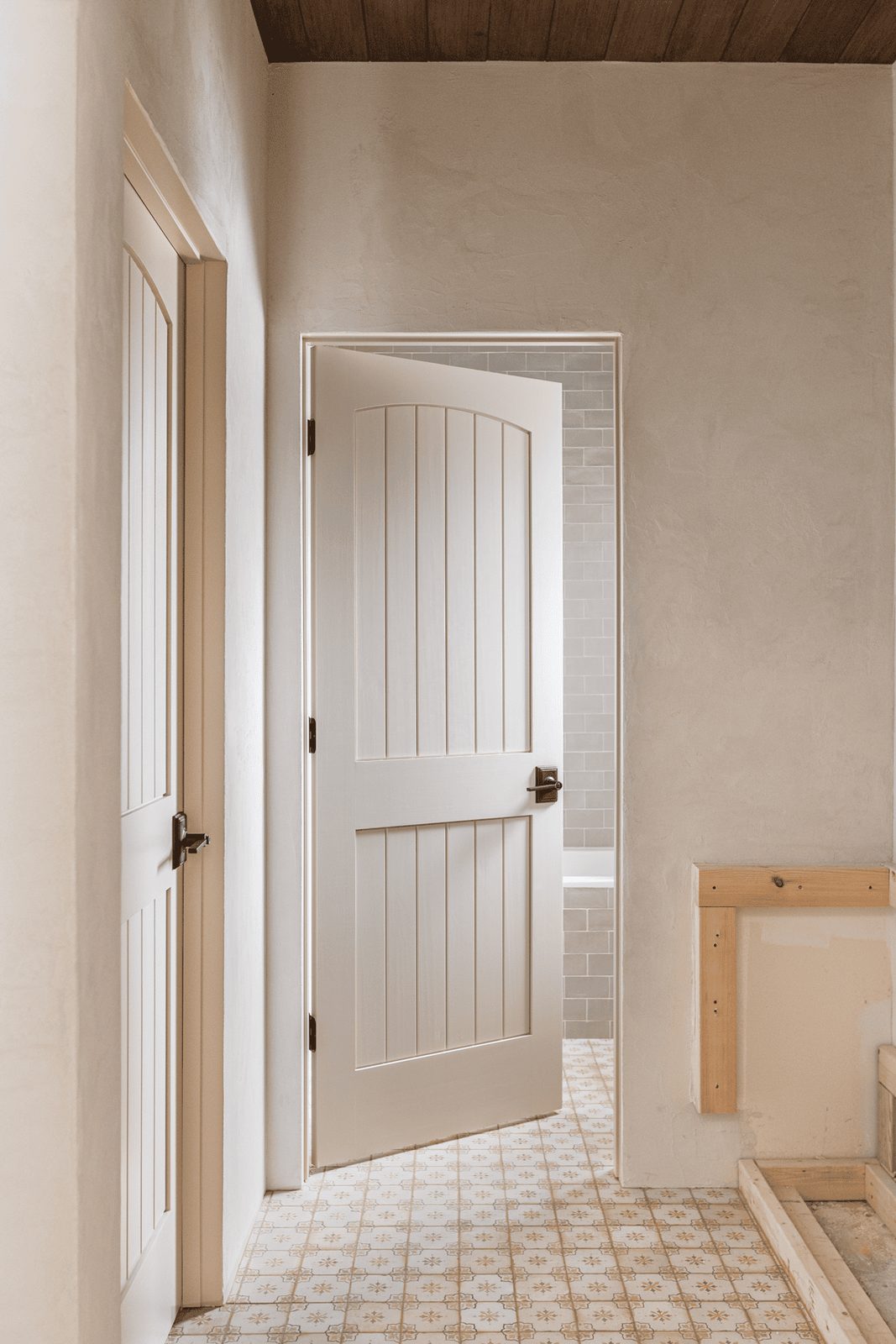
Outside of big box stores, you can find unique vintage or handmade doors/hardware on places like Facebook Marketplace, local salvage yards, Ebay, Etsy and more. For our current renovation, I sourced solid pine doors at a clearance center with a hefty shipping fee and long lead time, but it made sense since we were replacing all of the doors.
But, I did some digging and found the same doors on Lowe's!
Shop more options below:
DIY Door Upgrades
If you'd rather update your existing doors than replace them, try one of these DIY tutorials from project library!

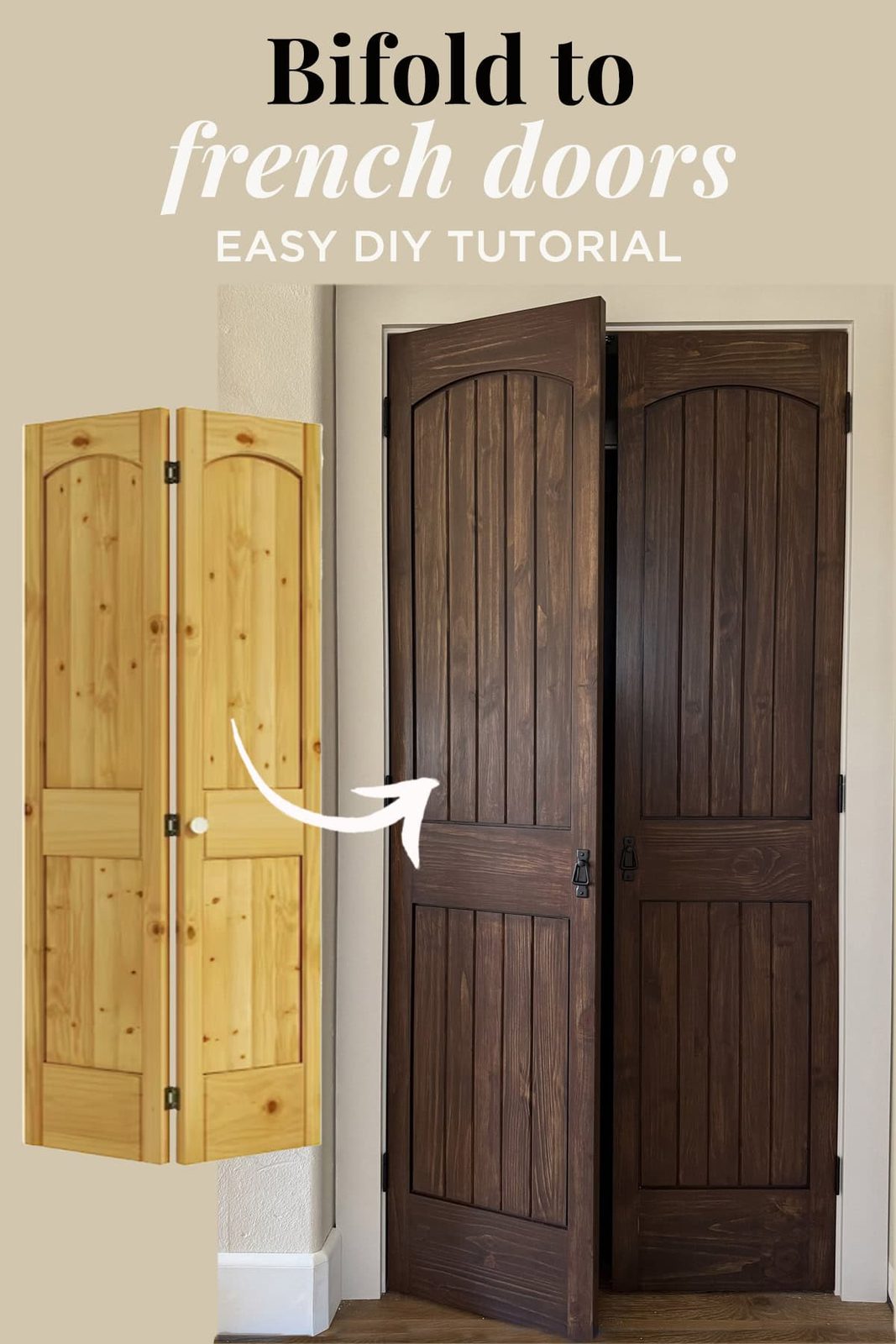

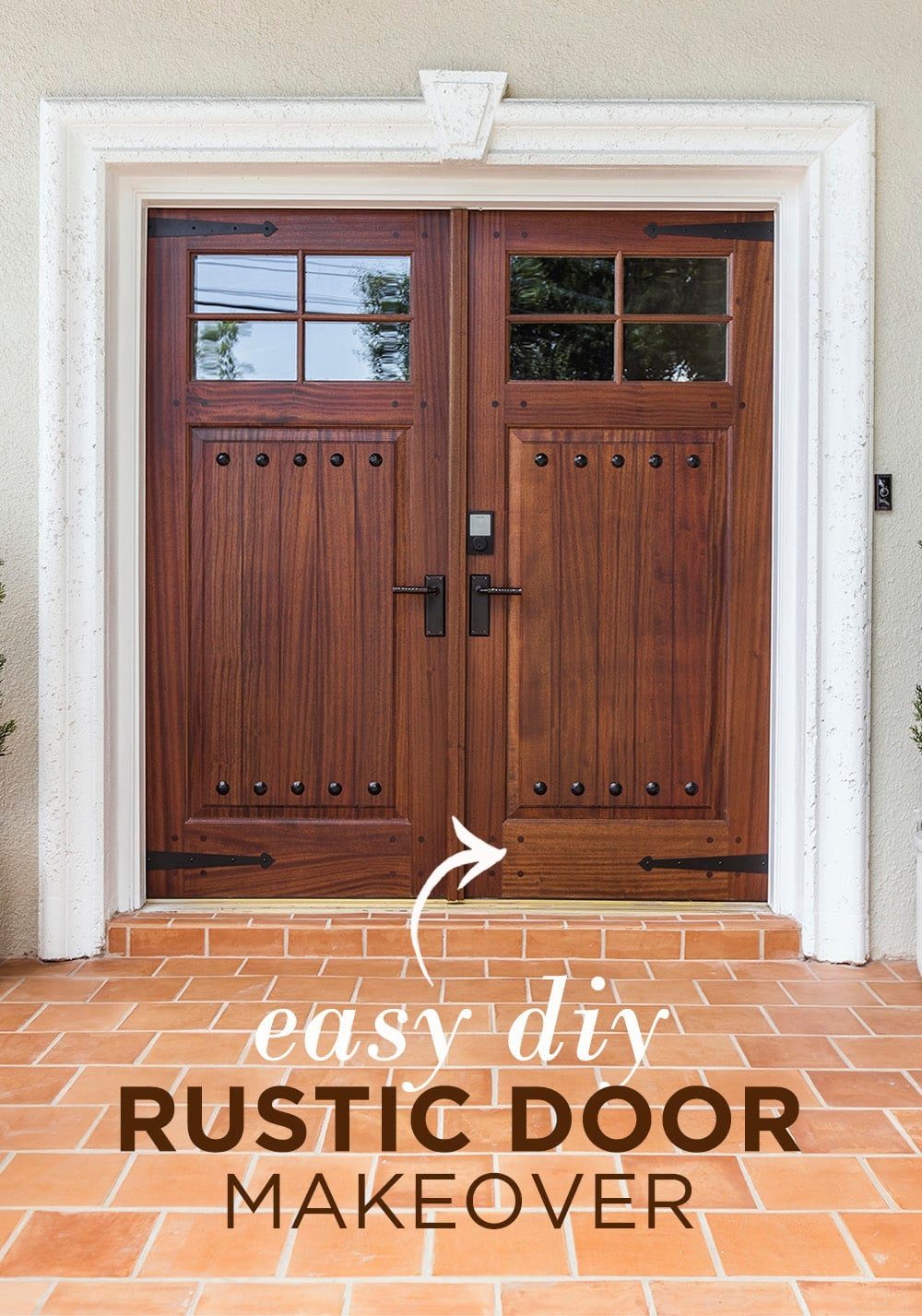
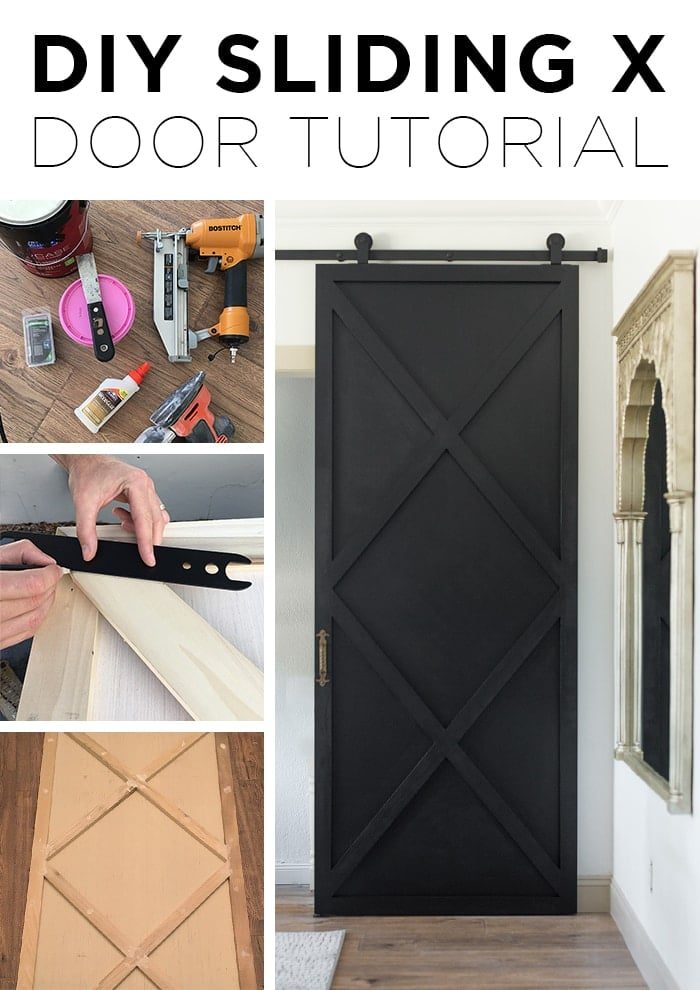
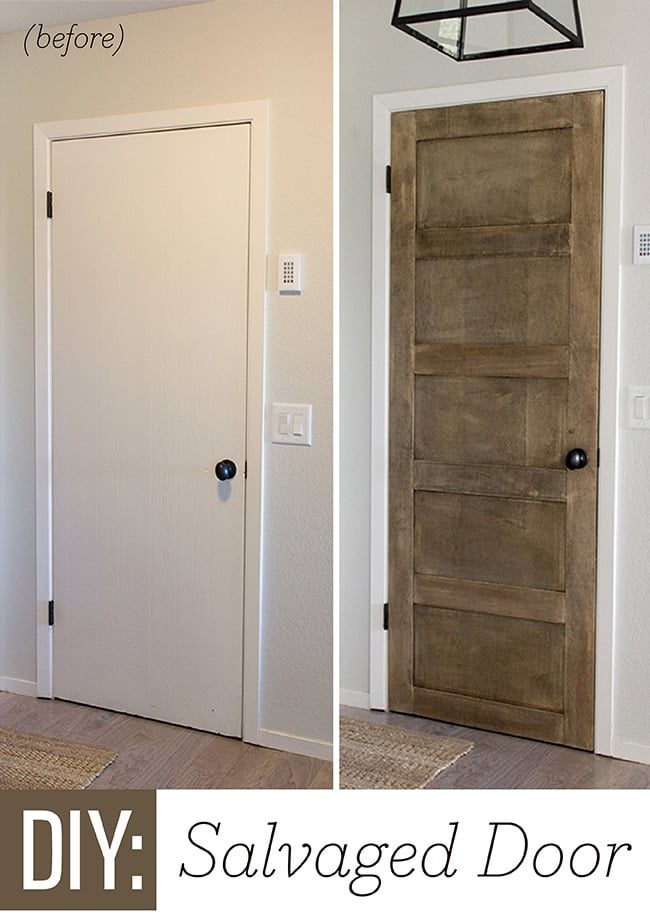
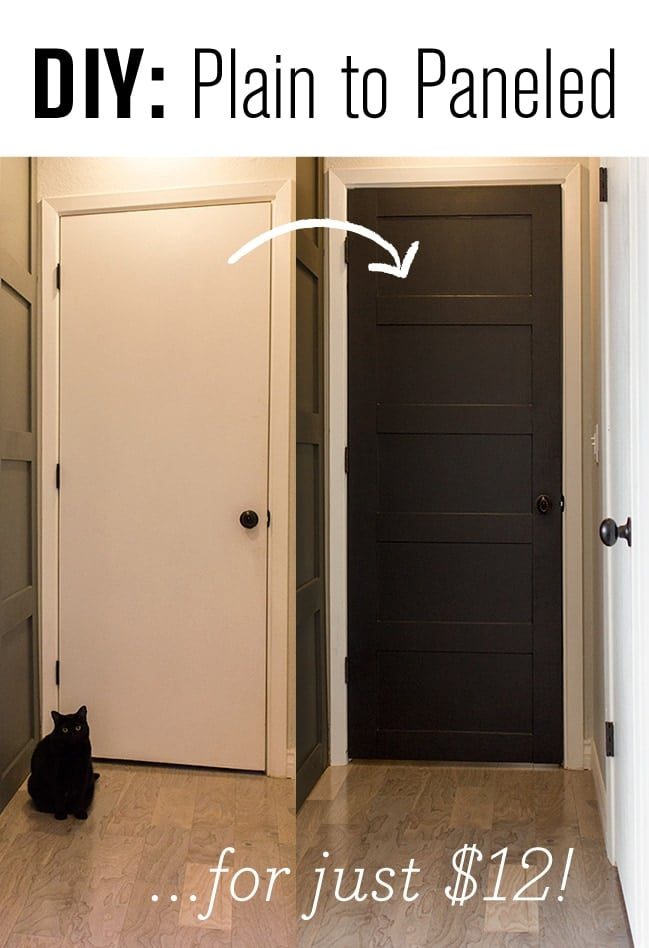

I hope this guide is a helpful resource for anyone thinking about new doors and hardware. Do not forget to bookmark this post to reference later!