Modern Spanish Style Home: Interior Design + Decor Directions
Ideas and inspiration for modern Spanish style home interior design. Learn the 12 key design elements, and decor ideas to get the look!
From Revival to Colonial, Mediterranean, Mission and Andalusian—Spanish influence has seen a resurgence in popularity in modern interior design. Today, I am sharing the defining characteristics of this warm and timeless aesthetic, along with my favorite inspiration photos and how to incorporate this style into your home!

With our new Spanish-inspired renovation project kicking off this summer, I have been immersed in ideas and inspiration, and have completely fallen in love with this design style. There are many variations from traditional to modern, and tons of creative ways to include different aspects in your own home. I am particularly drawn to the contrast of elegance and playfulness, minimalism and eclecticism, neutrality and boldness—and the freedom to adapt this style to suit your own preferences.
What is modern Spanish style design?
Modern Spanish style design (or “Spanish Modern”) blends traditional elements with contemporary influences to create a fresh and updated aesthetic. It often emphasizes clean, unfussy lines and a more minimalist approach. Traditional vibrant colors may be replaced with earthy neutrals to create a calm and serene atmosphere. Natural materials like wood, clay, metal and tile can be used in new and trending styles. Ultimately, any combination of traditional Spanish design adapted to fit today's modern home can be considered “modern Spanish style”.
Here are the key elements found in today's Spanish style homes, and my takeaways to achieve this look:
1. Earthy color palette
Spanish style design is characterized by neutral earth tones, often with pops of colorful accents. It exudes a warm and inviting feel, reflecting the natural elements of the Mediterranean region.

The primary colors are terracotta, ochre, deep reds and browns. In homes with Moorish design influence, it is common to find jewel tones including shades of deep blue, turquoise, and emerald green or mustard yellow. These colors are inspired by the vibrant tiles, textiles, and pottery of Spanish culture.
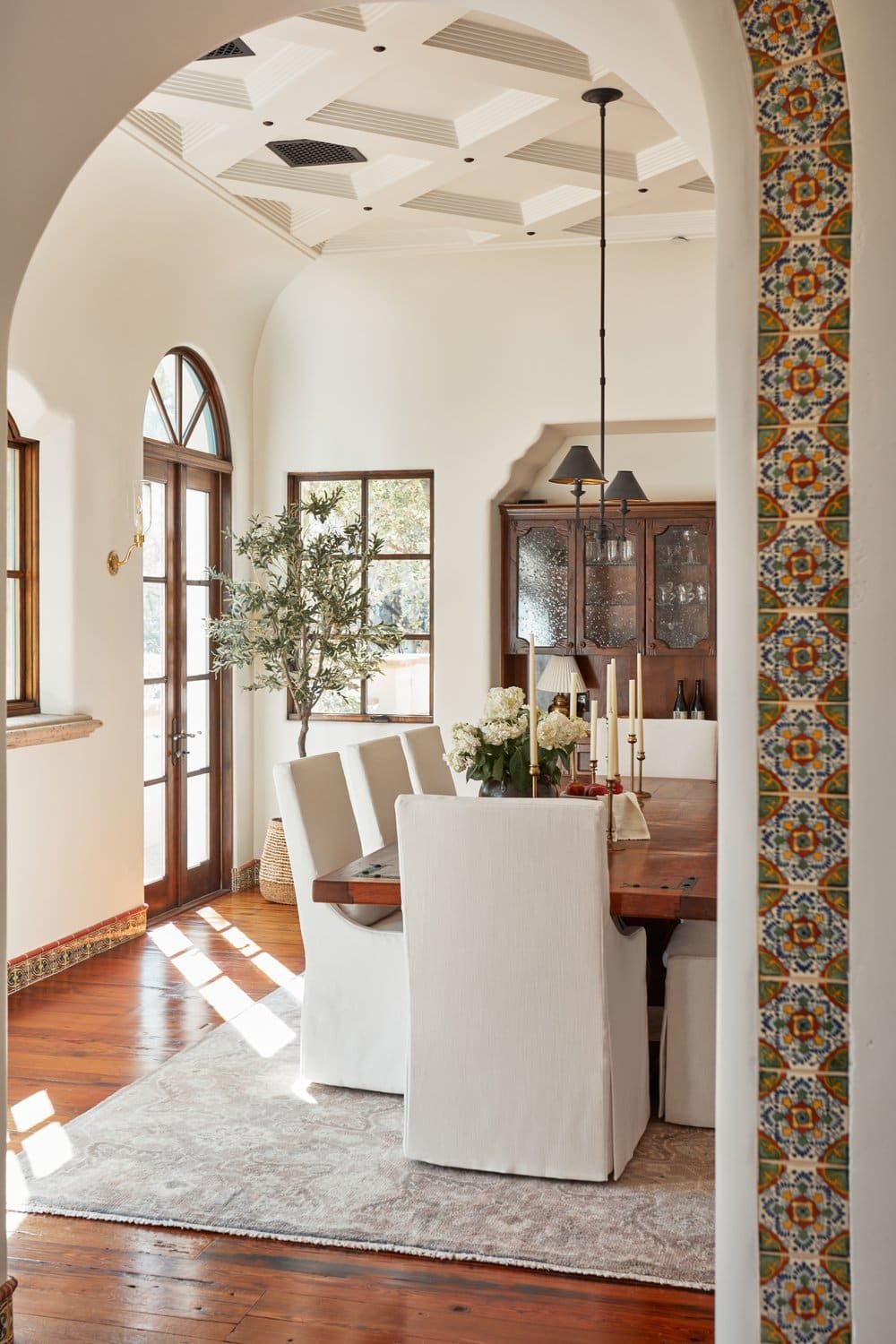
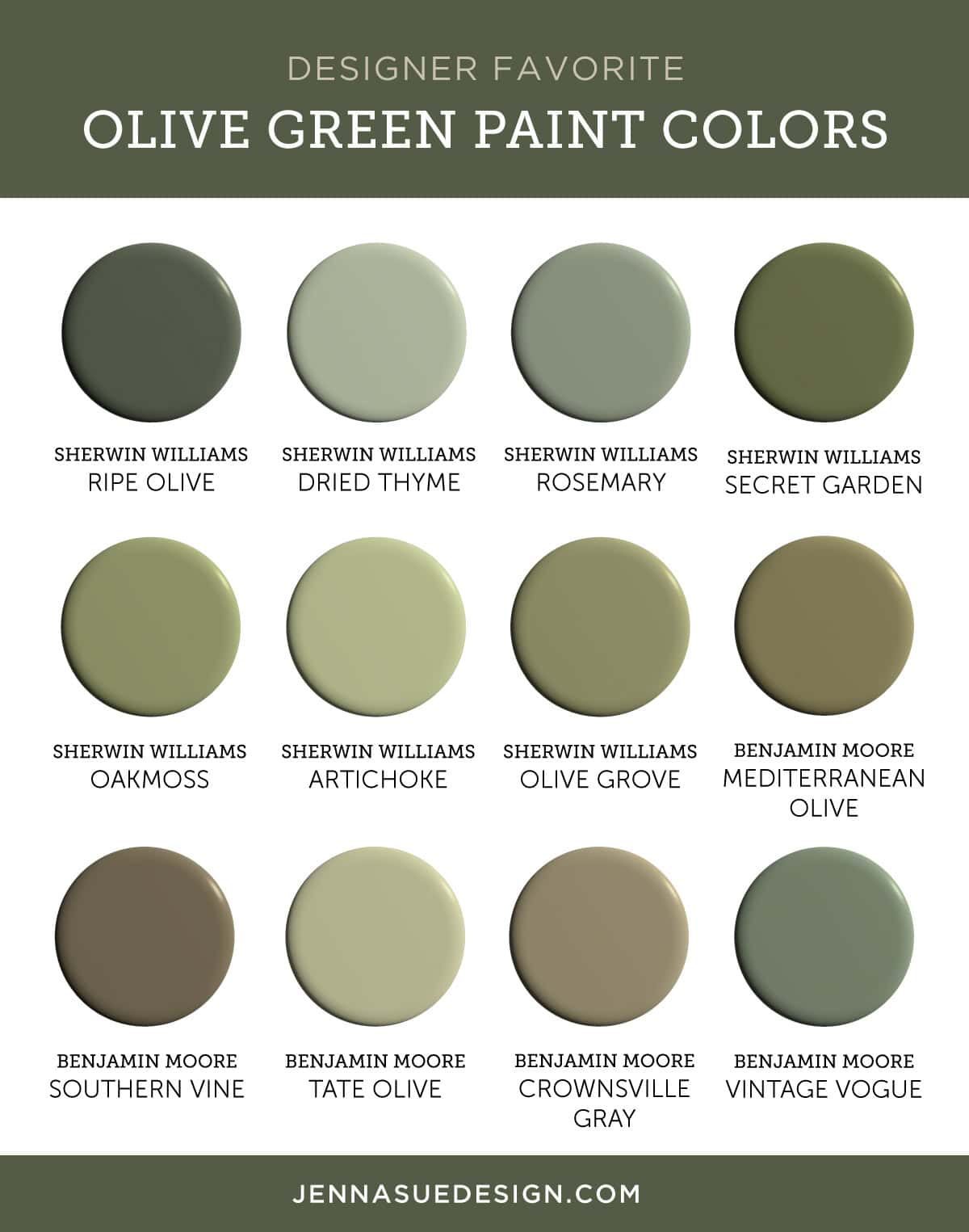
If you are looking to create a similar vibe in your home, consider these warm neutral hues as a starting point:





2. Wood ceiling beams
Exposed wood beams are one of the most distinctive features in Spanish and Mediterranean style design. They have historically been used as both a structural and aesthetic element.

Darker wood tones, in particular, are indicative of traditional Spanish style. The type of beams can vary widely from minimal and modern construction, to rough and rustic or intricately carved and painted.
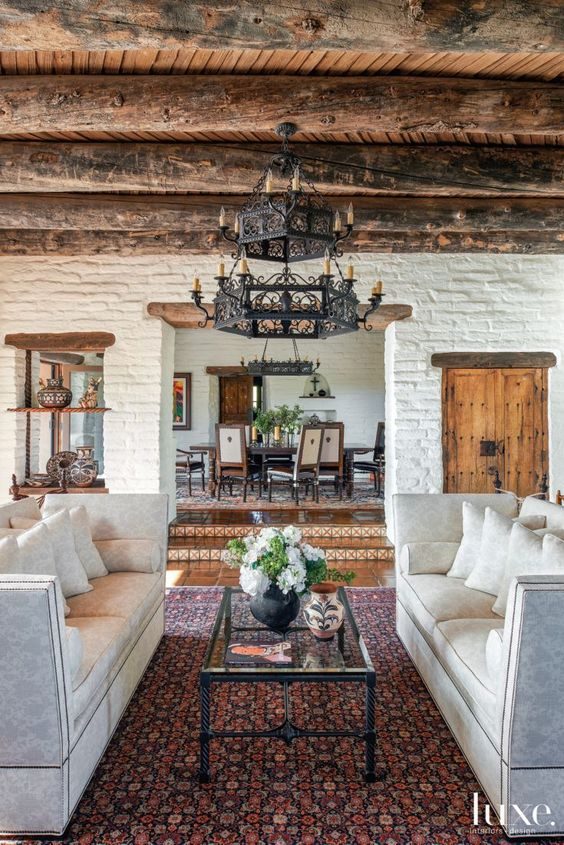
Spoiler alert: I found these affordable pre-made unfinished beams at Lowe's, and plan to use them all throughout the new house!

3. White walls
White walls are a hallmark of traditional Spanish architecture, particularly in styles influenced by Moorish and Mediterranean design. Whitewashing is a common practice dating back to ancient times, as it reflects sunlight and heat, helping the home stay cooler during hot summer months.
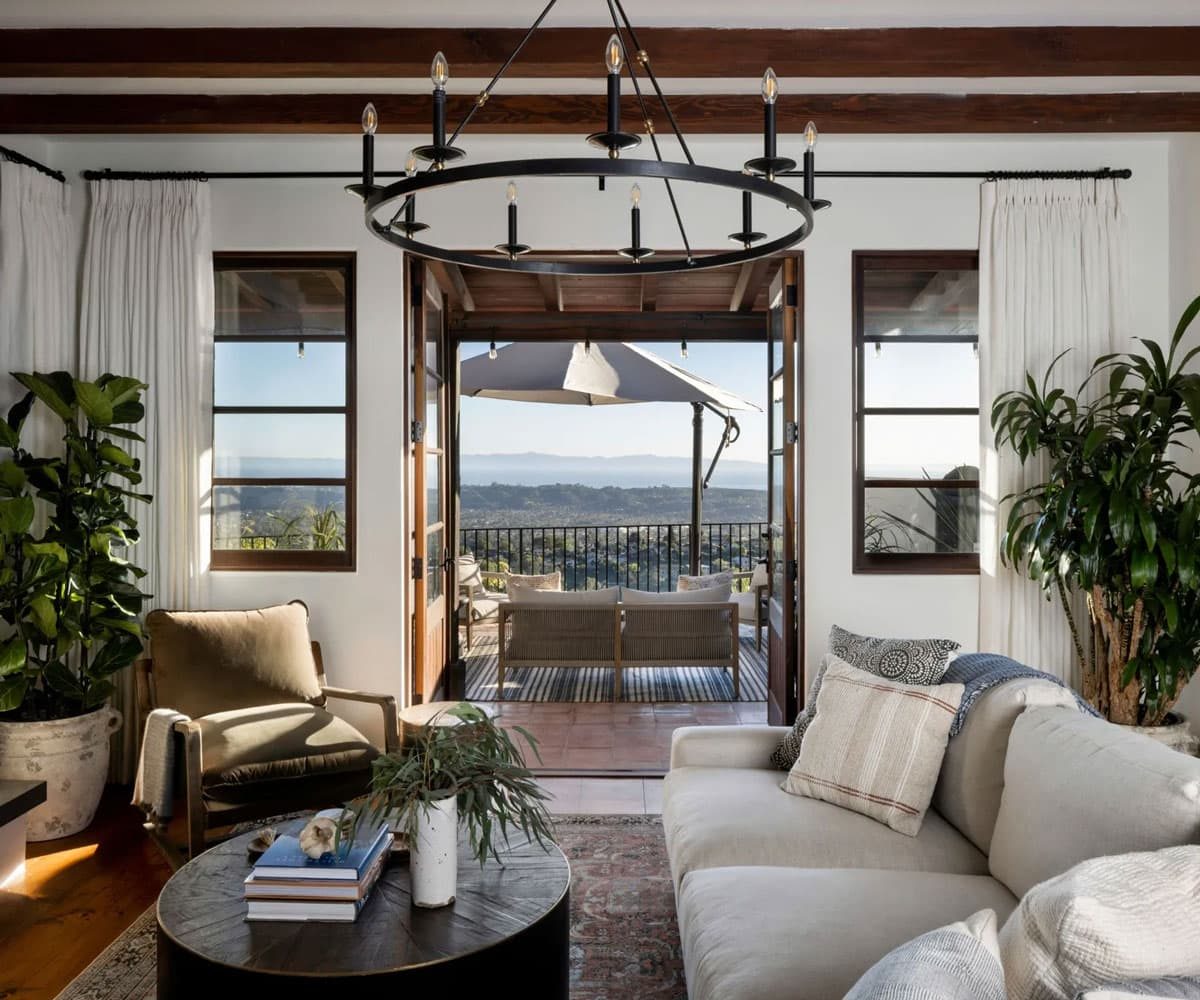
It also serves as a neutral backdrop, allowing architectural features such as wooden beams, wrought iron fixtures, and colorful tiles to stand out and become focal points within the home.

Thinking about painting your walls white? Find out the 10 best white paint colors, as chosen by designers!
4. Textured walls
Traditional methods of wall texture such as plaster or stucco add character and authenticity to a home. For newer homes with modern drywall, there are many ways to incorporate this element without having to resurface every wall.

Consider roman clay or Venetian plaster on a fireplace or range hood. Try using tadelakt or microcement in a bathroom. A unfussy and low cost method is applying limewash to create subtle texture and movement on walls.
5. Arches
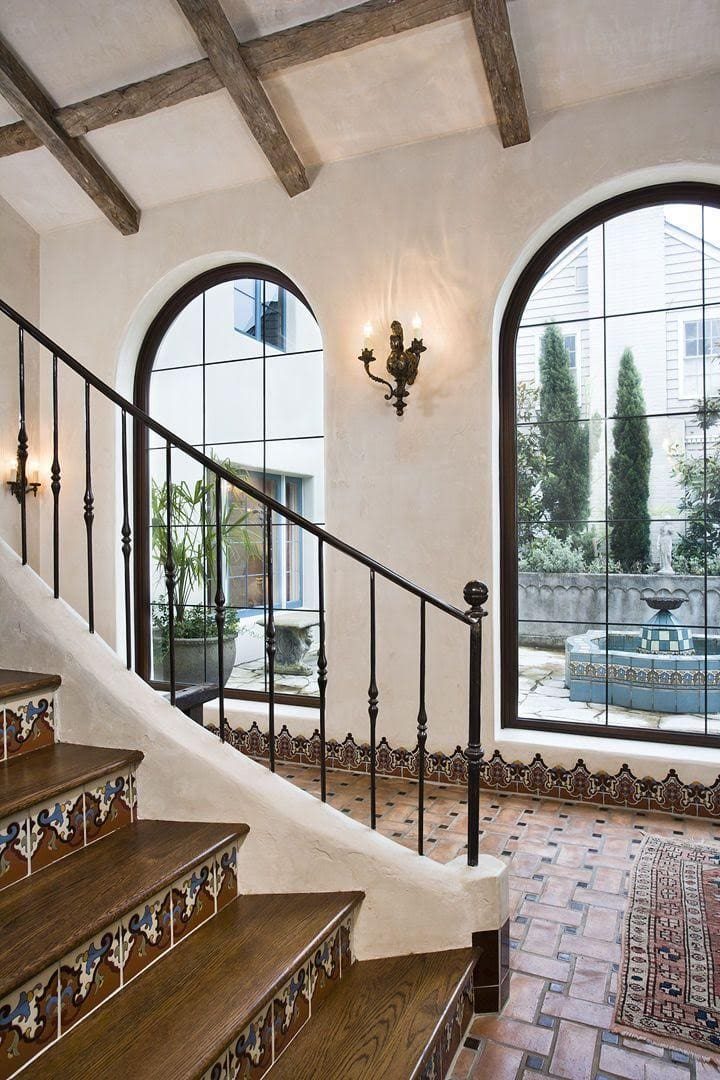
Arches have been a fundamental architectural element in Spain since ancient times, reflecting a long-standing tradition of craftsmanship and building techniques. They impart a sense of elegance, grace, and grandeur to spaces. They add visual interest and depth, creating a dramatic focal point that enhances the overall beauty of a room or building.
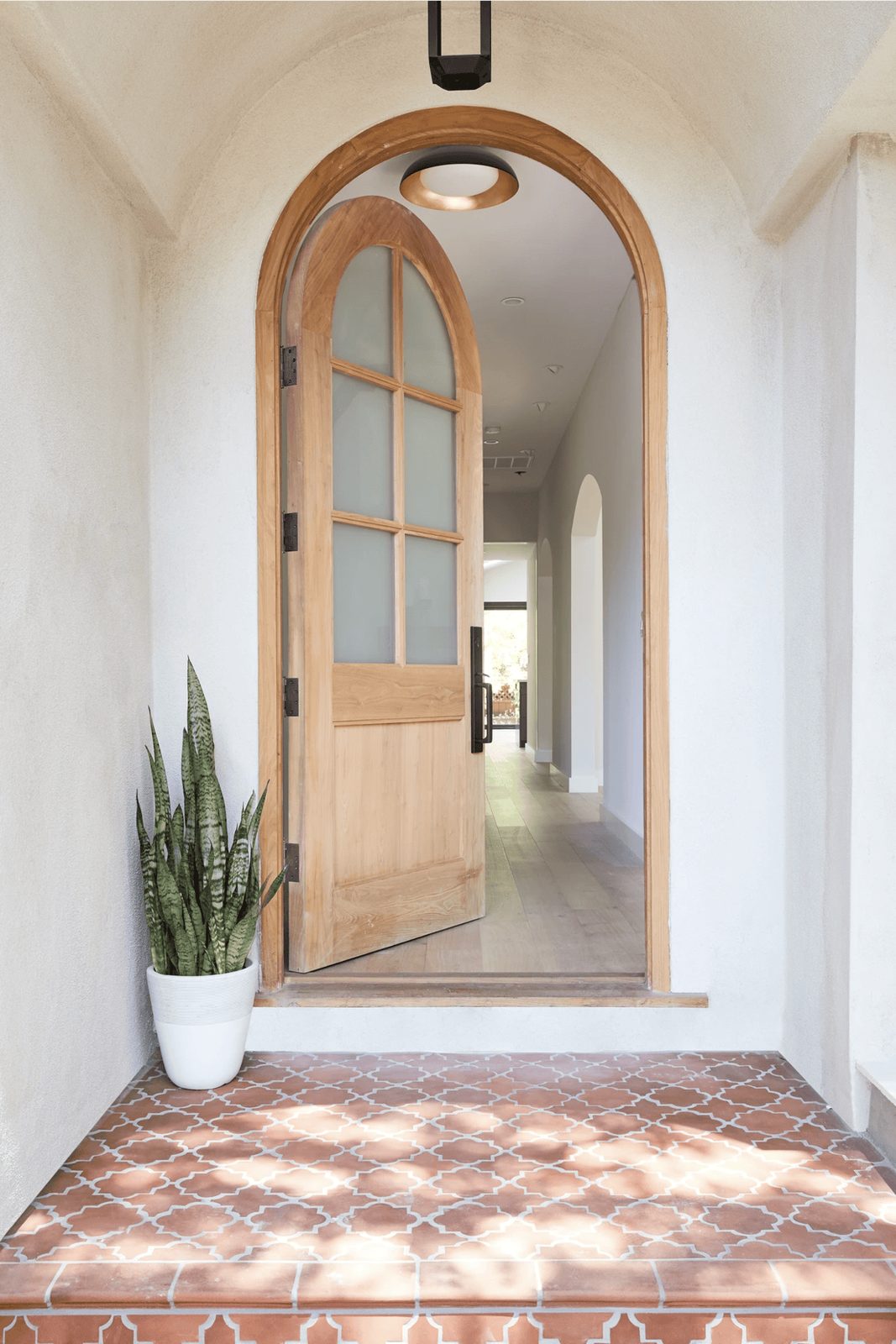
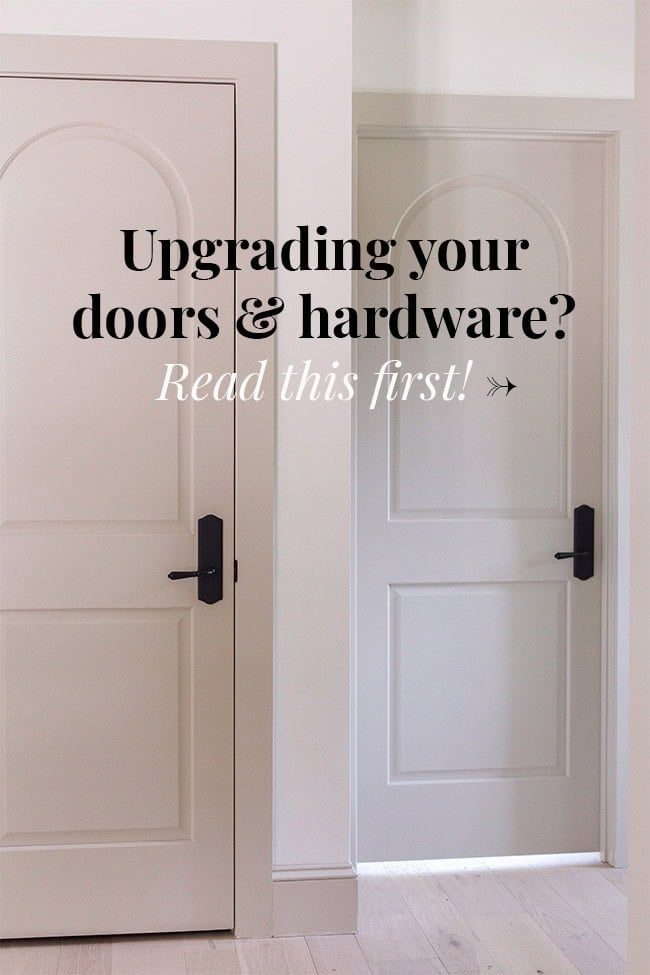
There are many ways to incorporate this feature into your home: arched doors, windows and hallways, DIY arched doorways, DIY wall arches, or even through furniture and decor. Styles can range from a unfussy half round, to pointed or even intricate shapes.
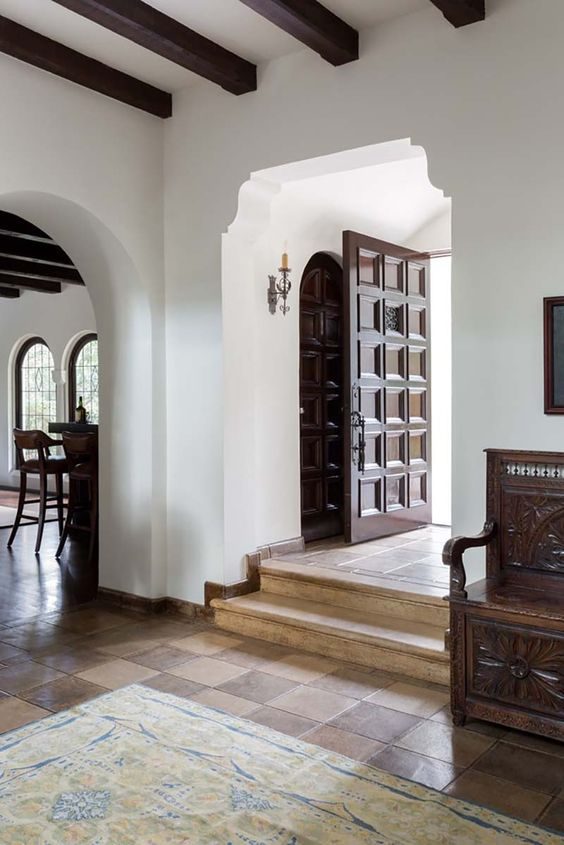
If replacing your windows or adding archways is not in the cards right now, you can achieve a similar feel with arched mirrors.
6. Organic materials
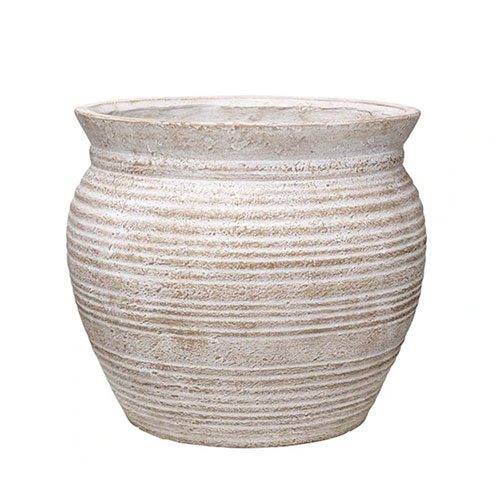
The inviting appeal of this design style can largely be attributed to the use of organic textures such as plaster, clay, woven fibers, leather, iron, and wood.

The mix of these elements creates a warm and welcoming environment, while also adding interest and character to a home. Try to include a variety of these materials in each room to give the space depth and dimension.

Here are a few pieces It helps to keep to achieve this look:


7. Wrought iron
Wrought iron has been a defining characteristic in Spanish architecture for centuries, dating back to Moorish influences and continuing through subsequent architectural periods. It can add a decorative and ornamental element with intricate patterns and curves, contributing to the overall richness and elegance of the design style.
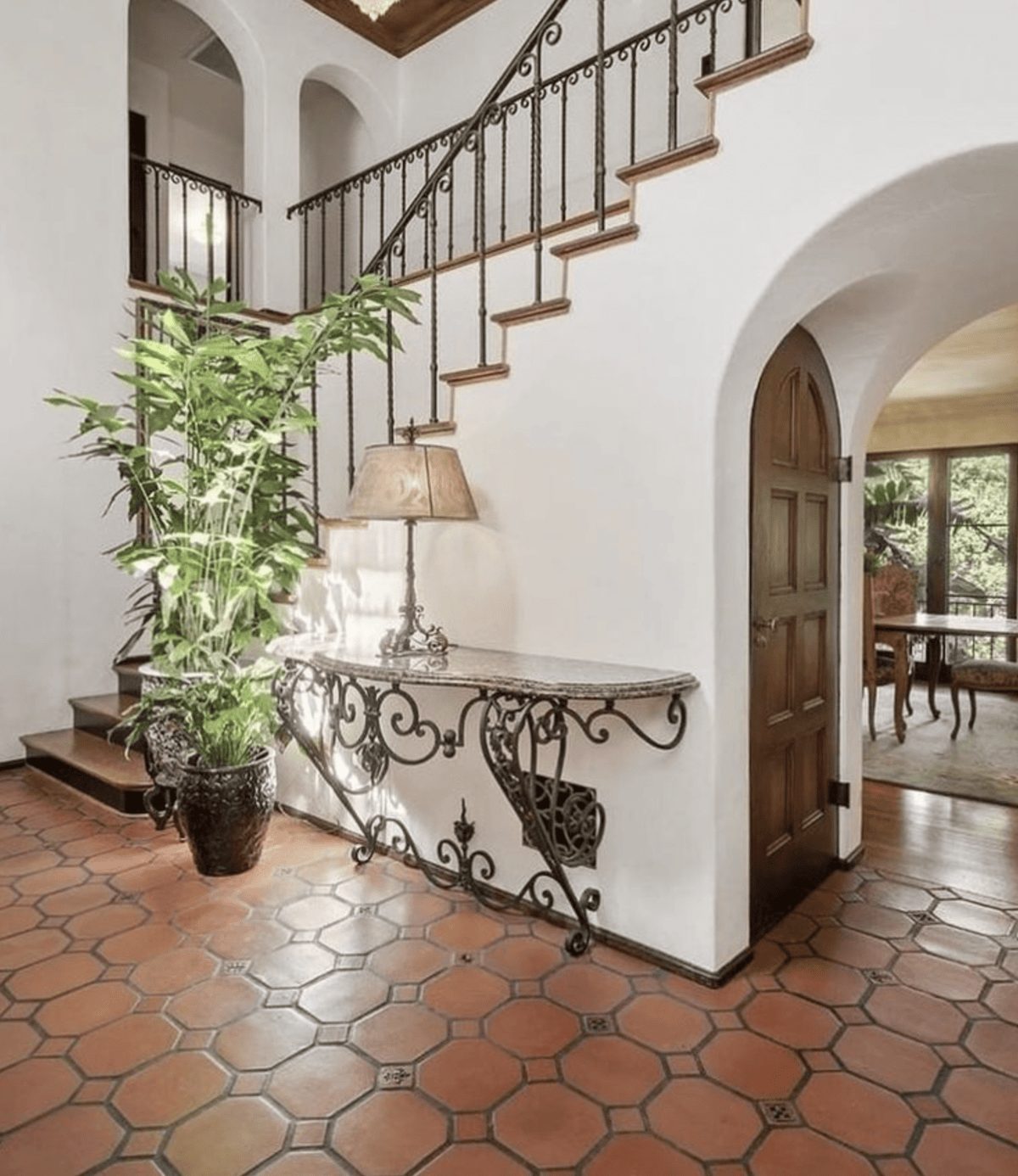
You will find this type of metal used on everything from stair railings to light fixtures, window and door accents, and furniture.
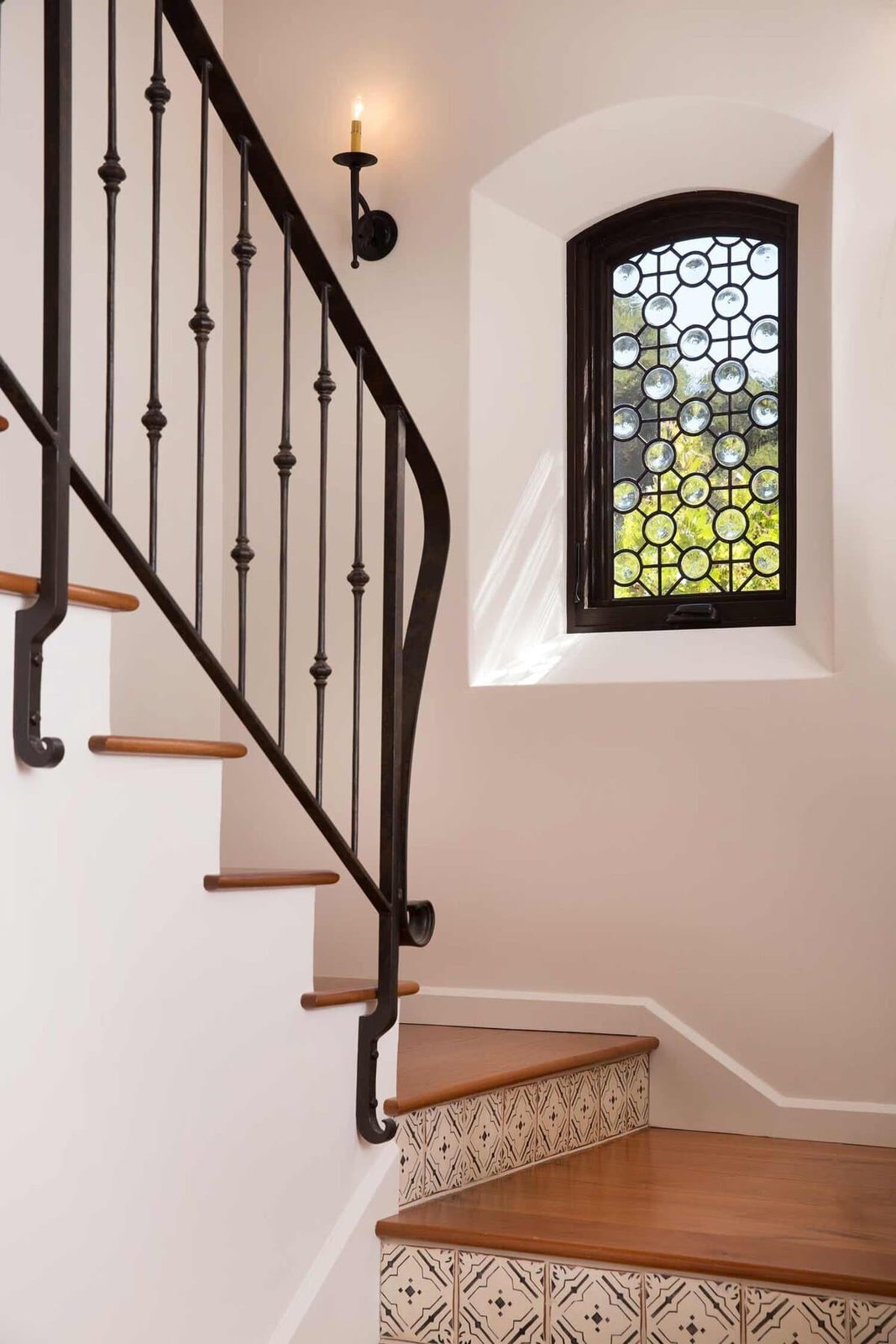
While less commonly used today due to the high production time and cost, there are plenty of great alternatives to get the same look. Here are a few budget-friendly ideas:


8. Terracotta floors
Terracotta tiles are one of the most prominent features of Spanish architecture, reflecting a traditional and rustic aesthetic that complements the region's cultural heritage and Mediterranean climate. They are a natural and durable clay-based material commonly found in high-traffic areas such as kitchens, living rooms, and outdoor patios.

The tiles come in various shapes, sizes, and finishes, allowing for versatility in design. They can be glazed or unglazed, smooth or textured, and in a wide range of earth tones from red and orange, to brown and beige.

We plan on using this traditional tile in the kitchen/dining area at the new house, inspired by the photo above. I think they add so much warmth and charm that simply cannot be matched by anything else.
While real terracotta tiles are preferred for a true authentic look, they can be costly and higher maintenance. Here are few different materials and shapes It helps to keep:


9. Traditional patterned tile
Patterned tiles, particularly ceramic and porcelain tiles with intricate designs, have a rich historical tradition in Spain. They are influenced by Moorish and Islamic art and architecture, which flourished during the medieval period and left a lasting impact on Spanish design.

Historically, patterned tiles in Spain were handmade by skilled artisans, but today they are produced using a wide range of techniques and materials. They can be used anywhere from floors to walls, backsplashes and showers, pools and patios as an accent or main focal point. They evoke a sense of playfulness and tradition, and allow you to infuse your personality into a space.

I cannot wait to incorporate this fun design element on the stair risers at the new house! Here are some that I used in the Hacienda, and a few new options I am considering. Do you have a favorite?


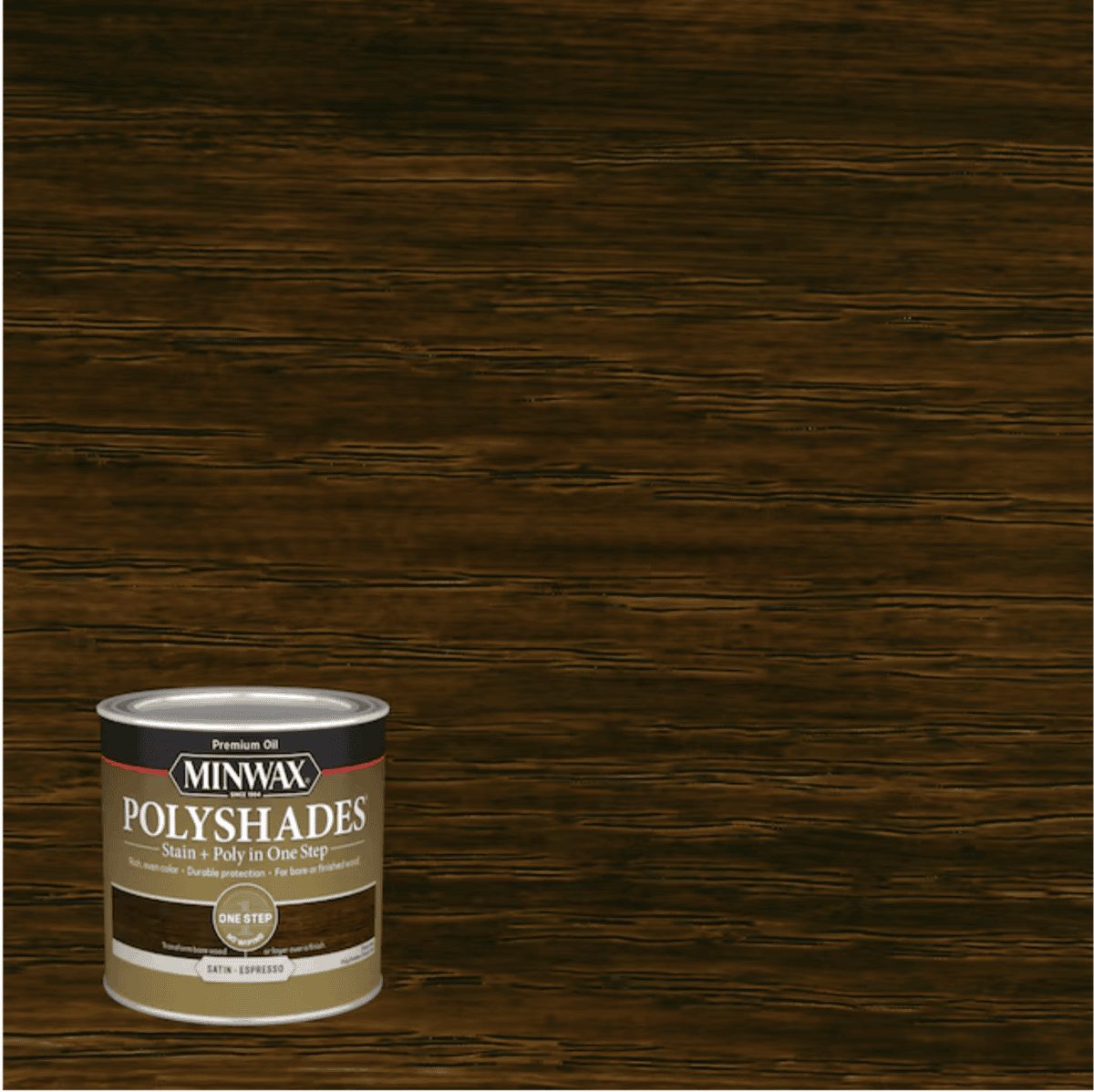
10. Dark stained wood
Darker wood tones have been historically prevalent in Spanish design, influenced by Moorish, Gothic, and Renaissance styles. It adds richness and depth to interior spaces, creating a striking contrast to white walls and colorful tiles commonly found in this style.
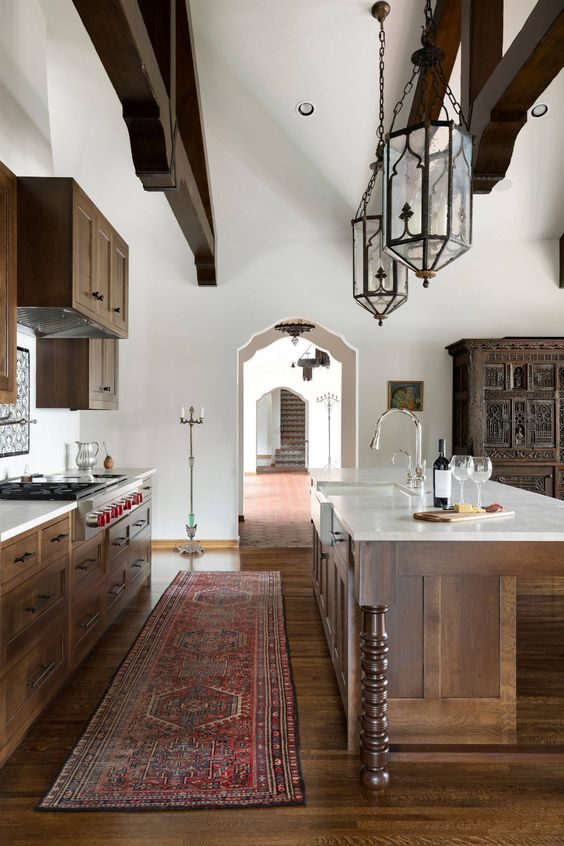
Unlike lighter toned woods which offer a more casual and relaxed feel, darker tones are associated with elegance and sophistication, conveying a sense of heritage and cultural richness.

White oak and similar light toned woods have been so prominent in popular design over the last several years, it feels refreshing to embrace the dark side! Here are a few different stains to get that classic deep wood tone:


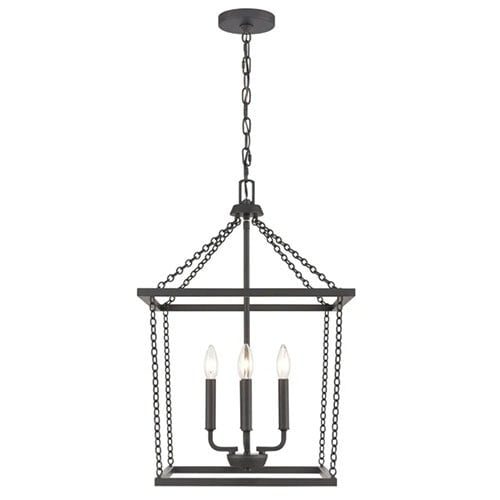
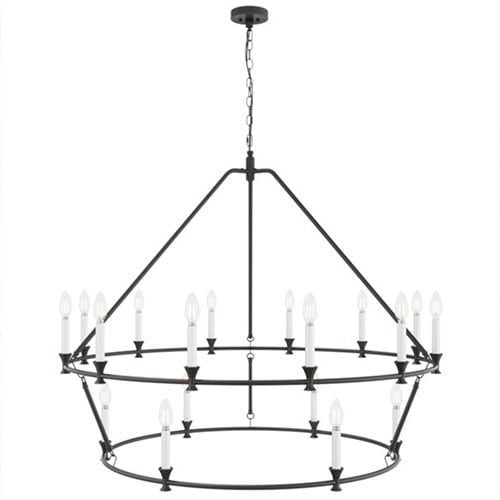
11. Statement lighting
One feature I have noticed repeatedly in traditional Spanish style homes is unique, statement lighting. Typically made of wrought iron, they may incorporate elements such as hand-forged scrolls, decorative rivets, hammered textures, and sometimes colored glass or ceramic accents.

Many homes will include statement chandeliers, sconces and lanterns in this style, with exposed candelabra bulbs as a defining feature. It helps to keep the rustic and old-world feel of these fixtures, and have even used them in my own home.

Take a look at these long-time favorites plus a few I am considering for the new house:




12. Antique pieces
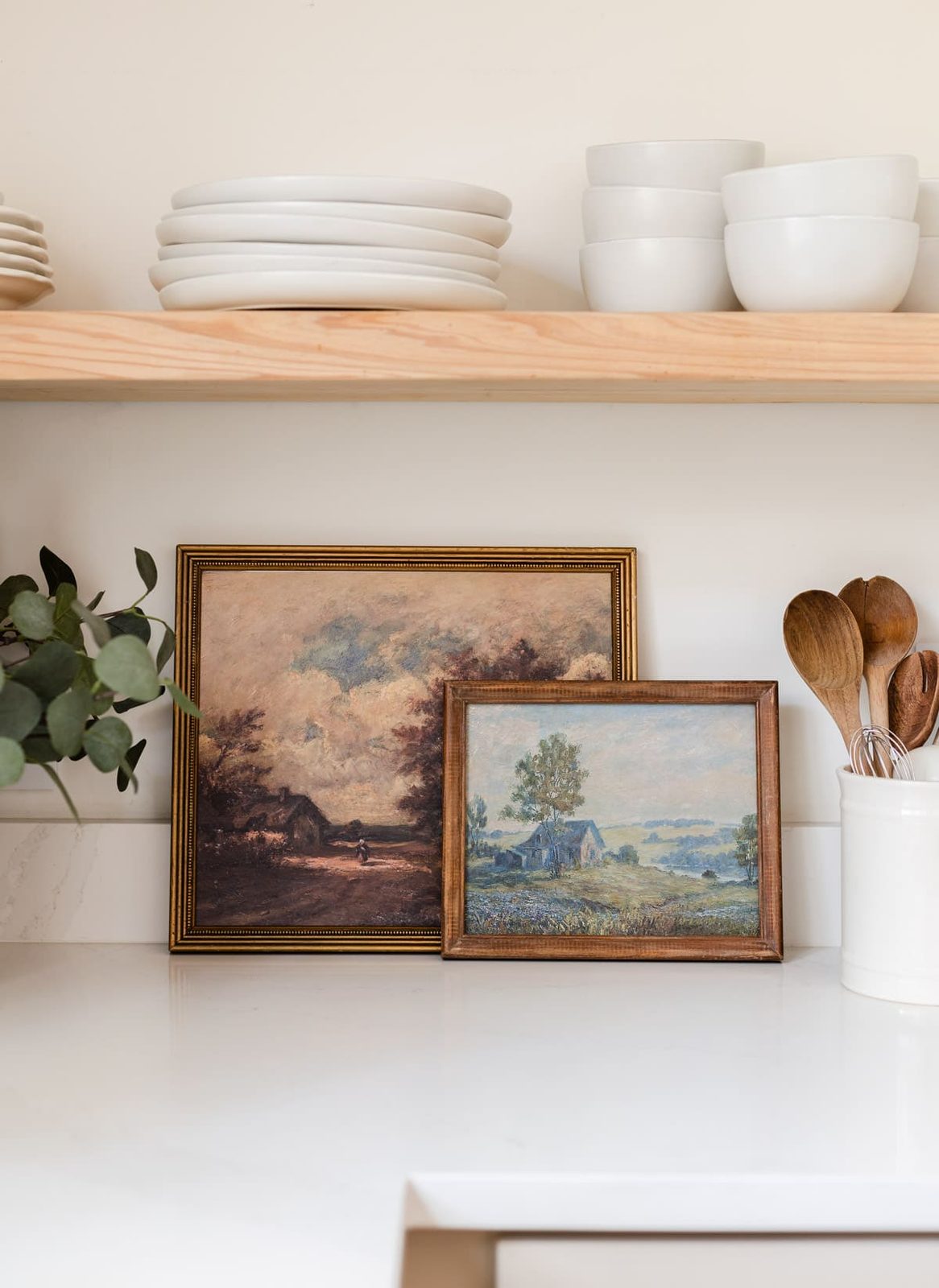
One of the hallmarks of traditional Spanish design is the charm and authenticity found in antiques that connect us to the past. Aged wood, vintage paintings, fixtures and pottery reflect the craftsmanship of that time and imbue a sense of history.

It helps to keep finding one of a kind antiques on Facebook Marketplace, local thrift and consignment stores, and yard sales. I also enjoy finding creative ways to DIY my own version if I cannot find exactly what I am looking for.
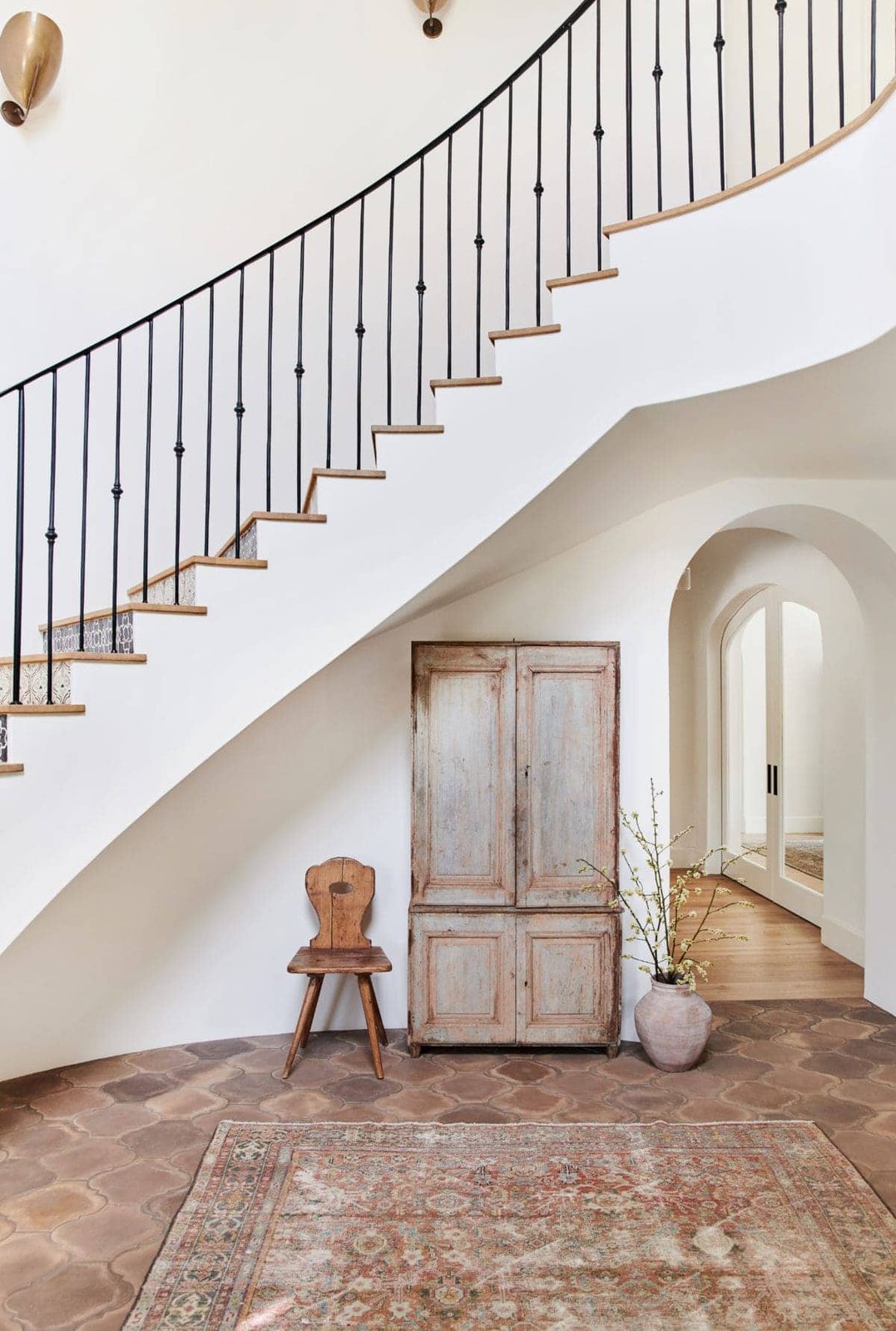
And if neither of those options work out, there are plenty of very convincing look-a-likes out there for a collected, vintage style. Here are just a few great finds!
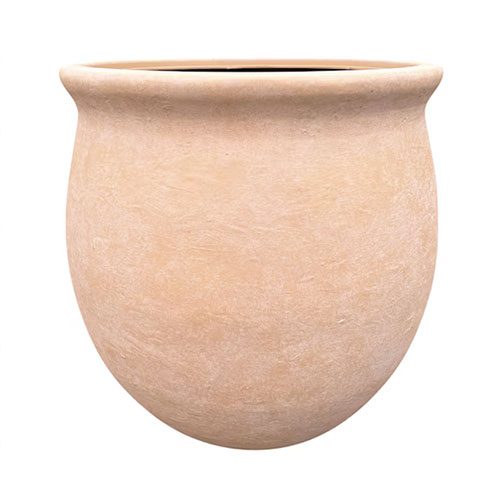
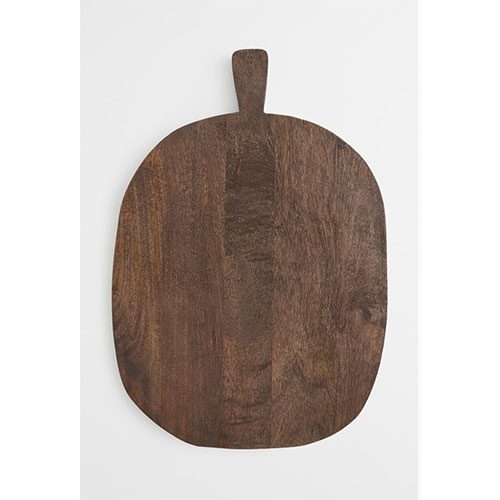


I hope this post was helpful if you've thought about incorporating Spanish design elements in your home, or were just curious to know more about this style. The more I learn about it, the more I fall in love with it! I cannot wait to share our plans to transform our next builder-grade basic home into a true Spanish sanctuary.
Pssst: for more design inspo, look at my Spanish Sanctuary board on Pinterest!